
Septic systems are the hidden backbone of thousands of homes in Florida, quietly handling wastewater day after day. But when things go wrong—slow drains, bad odors, or soggy patches in the yard—the stress begins. Your next step is often to search for a septic tank repair service near me, but before hiring the first company that pops up, it’s important to ask the right questions.
By understanding what to ask, you can protect your investment, avoid unnecessary expenses, and ensure your system gets the care it needs. This guide will walk you through essential septic tank repair questions, cover the common septic issues homeowners face, and explain how to avoid costly septic tank problems in the future.
Why Asking the Right Questions Matters
A septic repair isn’t just another home service—it involves critical systems that affect your home’s sanitation, property value, and even local groundwater quality. Poor repair work or misdiagnosis can lead to recurring issues, health risks, and major expenses like drainfield replacement.
By asking the right questions, you ensure:
- The contractor is properly licensed and insured.
- They understand local regulations and permitting requirements.
- They perform diagnostics before suggesting costly repairs.
- You receive clear, itemized pricing.
- Long-term maintenance and prevention strategies are discussed.
Hiring a company without doing this due diligence is one of the fastest ways to turn minor common septic issues into larger, recurring septic tank problems.
Common Septic Issues That Require Repair
Before you start interviewing contractors, it helps to understand what typically goes wrong. Recognizing these issues will allow you to ask better questions and understand the answers you receive.
1. Slow Drains and Backups
One of the earliest warning signs of septic problems is slow drains inside the home. This could indicate clogs in the pipes, a full tank, or problems in the drainfield.
2. Foul Odors
Strong sewage smells inside or outside your home often mean gases or untreated wastewater are escaping. This can be caused by damaged baffles, cracked tanks, or drainfield failures.
3. Standing Water or Soggy Soil
If your drainfield is failing, you may notice standing water, soggy patches, or unusually green grass above the system. This is often caused by oversaturation or blocked distribution lines.
4. Gurgling Noises in Drains
Air trapped in the pipes or improper venting can cause gurgling noises. This may be a minor issue but can also indicate deeper blockages.
5. Frequent Pumping Needs
If you find yourself pumping your system more frequently than every 3–5 years, there could be an underlying problem such as damaged pipes or a failing drainfield.
Knowing these common septic issues helps you frame precise septic tank repair questions to uncover whether the contractor has a reliable plan for solving the root cause.
Essential Septic Tank Repair Questions to Ask
When interviewing contractors, here are the questions that make a difference:
1. Are You Licensed and Insured?
Septic repairs are regulated at the county and state level. Always ask for their license number and proof of insurance. A reputable septic tank repair service near me will gladly provide documentation.
2. Will This Repair Require a Permit?
Most septic tank repairs—even small ones—require permits and inspections. Ask whether the contractor will handle the permitting process and coordinate with your local health department.
3. What Diagnostics Do You Perform Before Quoting a Repair?
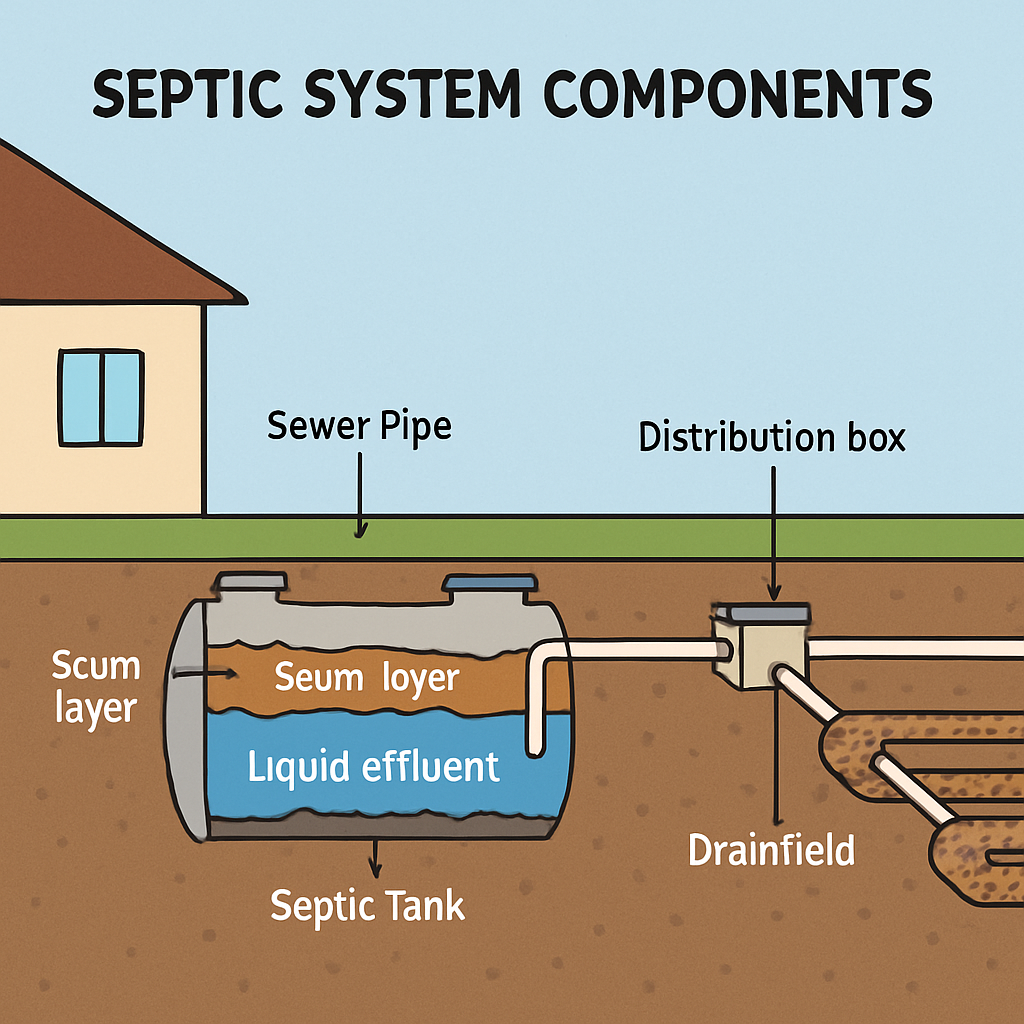
A professional contractor should inspect the tank, pump if necessary, check the baffles, inspect the distribution box, and use cameras to check lines before recommending a repair.
4. Can You Provide a Written, Itemized Estimate?
Insist on a breakdown of labor, materials, pumping, disposal, permits, and restoration costs. Vague estimates often hide unexpected charges.
5. What Repair Options Are Available?
Ask if they can explain multiple solutions. For example, will they clear obstructions before suggesting replacement? Do they offer drainfield rehabilitation methods before recommending full replacement?
6. Do You Recommend Effluent Filters or Tank Risers?
Effluent filters prevent solids from reaching the drainfield, while risers make future maintenance easier. These are relatively inexpensive additions that save money long-term.
7. How Do You Protect My Property During Repairs?
A trustworthy contractor will explain how they locate underground utilities, protect landscaping, and restore the site after work is complete.
8. What Warranties Do You Provide?
Always ask about warranties for parts, labor, and workmanship. A company confident in their work will back it up.
9. Do You Offer Alarms or Monitoring Systems?
Modern septic systems can include alarms and smart monitoring for early problem detection. This prevents emergencies and lowers lifetime costs.
10. How Do You Handle Waste Disposal?
The waste pumped from your system must be taken to a licensed treatment facility. Make sure the company follows regulations and provides disposal documentation if requested.
11. Can You Provide References from Local Customers?
Speaking with past clients about their experience gives you confidence in the contractor’s professionalism and reliability.
12. What Maintenance Plan Do You Recommend?
The best repair services also plan for the future. Ask for a recommended pumping and inspection schedule tailored to your household size and system type.
The Repair Process: What to Expect
A professional repair isn’t just about digging and patching. A well-run process usually includes:
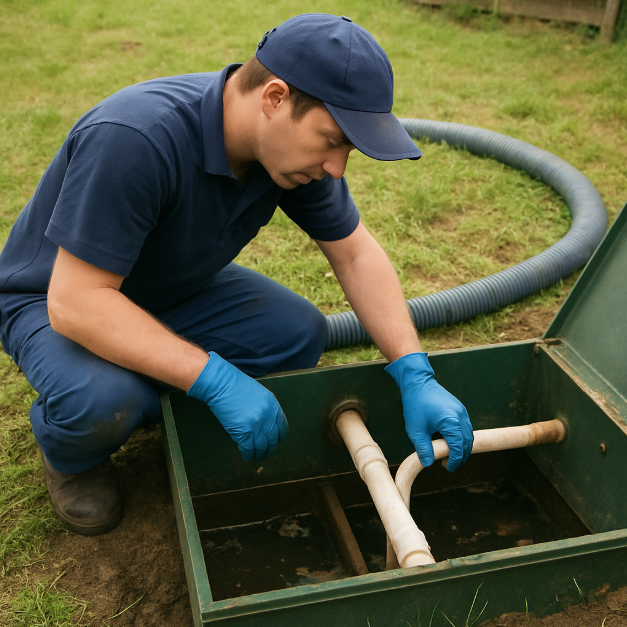
- Locating and exposing the septic tank lids for full access.
- Pumping the tank if needed to inspect baffles and prevent solids from entering the field.
- Inspecting the distribution box to ensure proper flow to drainfield lines.
- Camera inspection of lines to identify blockages, root infiltration, or damaged pipes.
- Drainfield evaluation to check for ponding, clogs, or over-saturation.
- Electrical testing for systems with pumps, floats, or alarms.
- Providing a detailed repair plan with evidence such as photos or video.
By knowing this, you can ask: “Will you provide camera footage or a written inspection report before starting the repair?”
Trends in Septic Tank Repairs in 2025
The septic industry is evolving, and being aware of current trends helps you ask the right questions:
- Smarter Monitoring: More contractors now offer alarm systems or Wi-Fi monitoring that alerts homeowners to early signs of trouble.
- Eco-Friendly Regulations: In Florida and other sensitive regions, upgrades to nutrient-reducing systems may be required. Ask if your property falls under new regulations.
- Transparency in Pricing: Homeowners are pushing for clear, itemized estimates. Reputable companies now commonly provide digital quotes and inspection reports.
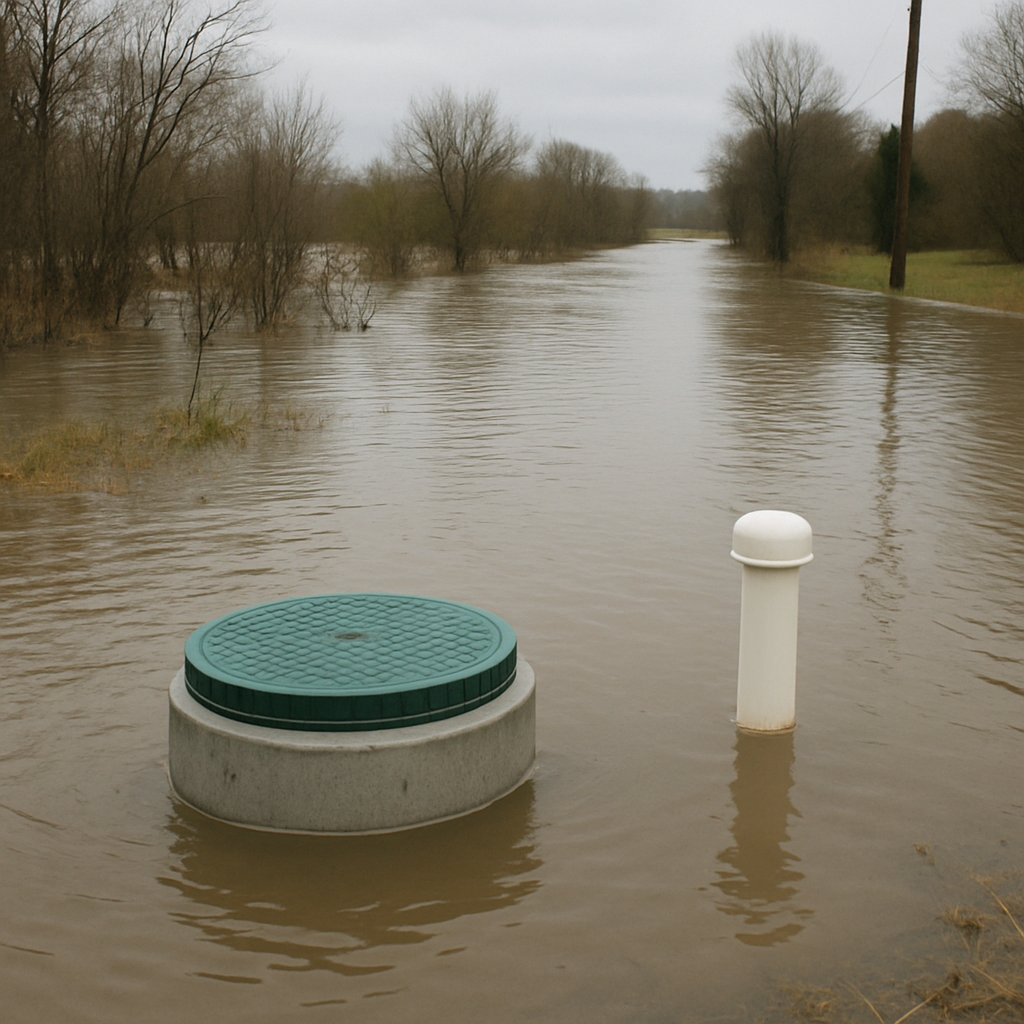
- Climate Considerations: Flooding and heavy rainfall events can damage septic systems. Good contractors know how to evaluate systems after extreme weather.
Red Flags When Choosing a Contractor
Avoid companies that:
- Refuse to provide license or insurance details.
- Claim “no permits are needed.”
- Push unnecessary additives as a substitute for pumping.
- Provide verbal-only quotes without documentation.
- Lack references or recent customer reviews.
These warning signs suggest poor quality work that may worsen your septic tank problems instead of fixing them.
FAQs About Septic Tank Repair
How often should my system be inspected?
The EPA recommends inspections every 1–3 years and pumping every 3–5 years, depending on household size and tank capacity.
Does insurance cover septic repairs?
Most homeowners’ policies exclude septic repairs but may cover damage from sudden events. Always check with your insurance provider.
What’s the average cost of septic tank repair?
Minor repairs can cost a few hundred dollars, while major drainfield replacements may exceed $10,000. This makes diagnostics and preventive care essential.
Can I repair my septic tank myself?
DIY septic repair is not recommended. Septic work requires specialized equipment, permits, and adherence to safety and environmental standards.
Checklist Before Hiring a Septic Tank Repair Service Near Me
Save this list and use it when contacting contractors:
- License and insurance confirmation.
- Written, itemized estimate.
- Diagnostic steps explained before quoting.
- Permit and inspection process handled.
- Warranty terms provided.
- Waste disposal method clarified.
- Maintenance plan discussed.
- References available.
Why Choose Crews Septic Solutions?
When it comes to solving septic tank problems, Crews Septic Solutions has built a reputation in Southwest Florida for reliable, professional, and affordable service. From septic pump-outs to full system repairs, our team is licensed, insured, and equipped with the latest technology to handle any challenge.
We know the local regulations, understand Florida soil and weather conditions, and always prioritize diagnostics before recommending a solution. Our goal isn’t just to fix the problem today—it’s to ensure your system keeps running smoothly for years to come.
Explore our full range of septic services or learn more on our website.
Call Us Today for Septic Tank Repair in Southwest Florida
If you’re searching for a trusted septic tank repair service near me, look no further than Crews Septic Solutions. Whether you’re dealing with backups, odors, or drainfield failures, we’re here to help.
Call us today at 239.694.1067 or email us at crewsseptic@yahoo.com. We’ll answer your questions, inspect your system, and provide clear, reliable solutions tailored to your needs.
Don’t let common septic issues turn into costly disasters—contact Crews Septic Solutions now and get your system back on track.