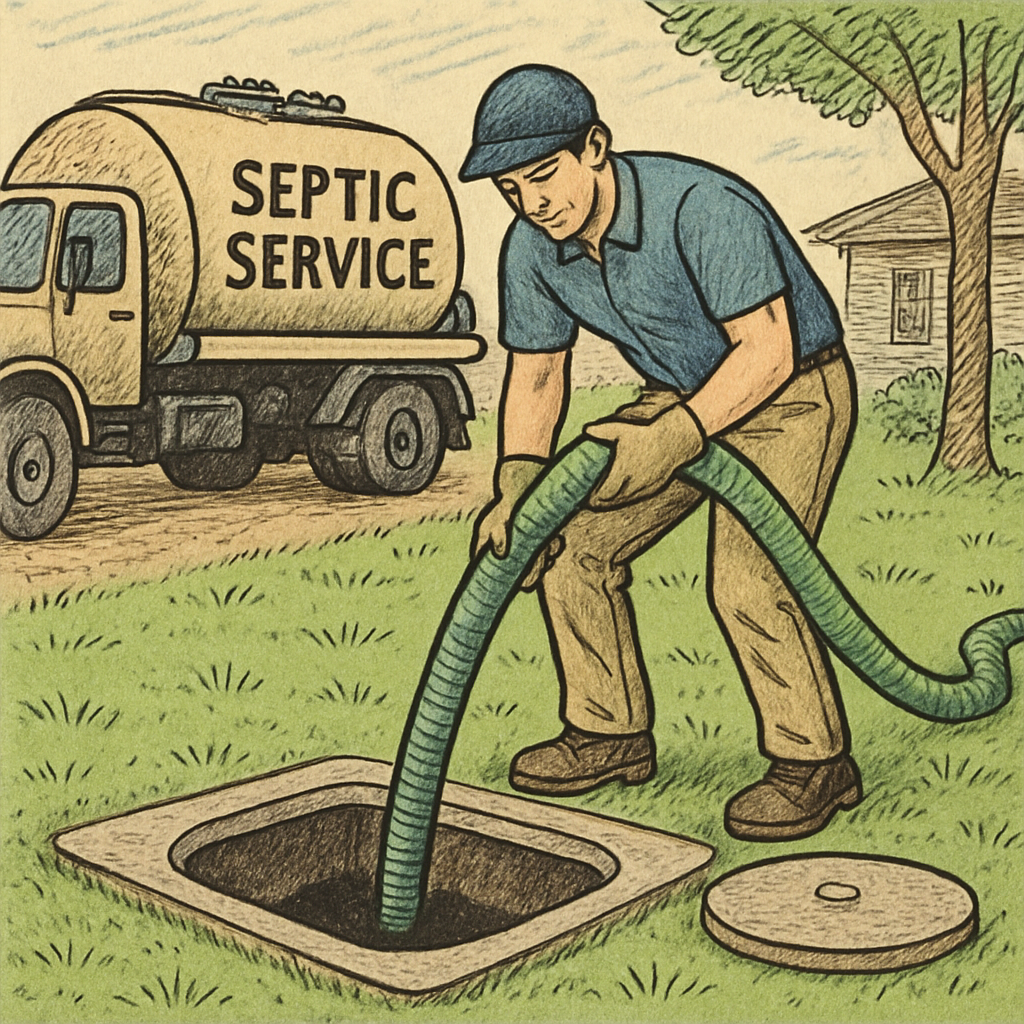
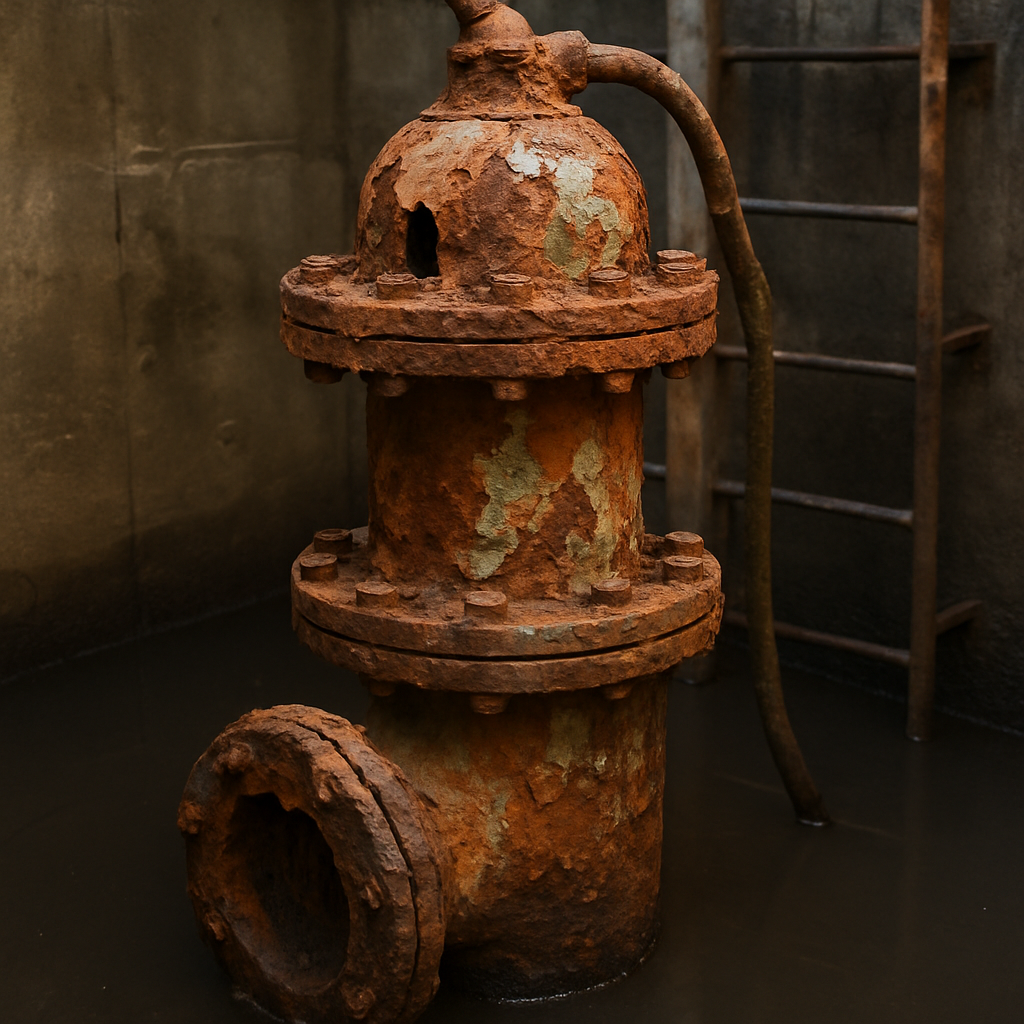
A plumbing lift station is one of the most critical components in many commercial, multi-unit, and low-lying properties. When it fails, wastewater has nowhere to go. That can lead to sewage backups, environmental hazards, property damage, and business shutdowns.
Because lift station failures escalate quickly, recognizing early warning signs is essential. This guide explains how plumbing lift stations fail, the symptoms that signal urgent trouble, and when immediate professional repair is required.
What a Plumbing Lift Station Does (And Why Failure Is Serious)
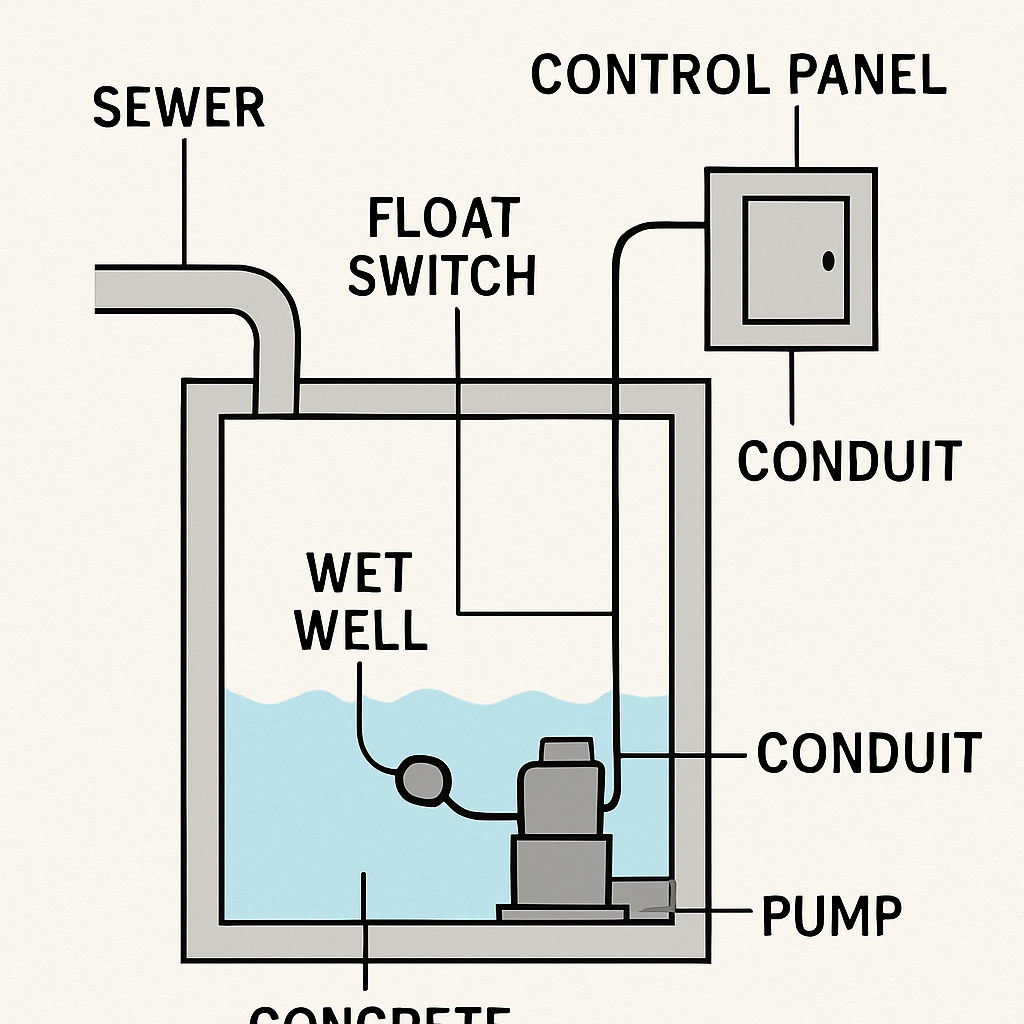
A plumbing lift station is designed to move wastewater from a lower elevation to a higher point so it can continue flowing toward a sewer main or treatment facility. These systems rely on pumps, floats, alarms, and electrical controls to operate correctly.
When any of these components fail, wastewater can back up into:
- Restrooms and floor drains
- Commercial kitchens
- Parking lots or landscaped areas
- Mechanical rooms or basements
Unlike slow residential drain issues, lift station failures often require immediate plumbing system repair to prevent health risks and regulatory violations.
Why Plumbing Lift Station Failures Happen
Lift stations operate under constant stress. Over time, wear and environmental factors increase the risk of failure.
Common causes include:
- Lack of routine lift station maintenance
- Pump burnout or mechanical wear
- Electrical or control panel failures
- Float switch malfunctions
- Grease, debris, or solids buildup
- Power outages or surge damage
- Excessive inflow from heavy rainfall
Without proper pump station service, small problems can quickly become emergencies.
Warning Signs of Plumbing Lift Station Failure
Knowing what to watch for can prevent catastrophic system breakdowns.
1. Lift Station Alarms Activating
Lift station alarms exist for a reason. If an alarm sounds or sends repeated alerts, it usually indicates rising wastewater levels or pump malfunction.
Ignoring alarms can lead to:
- Wet well overflows
- Sewage backups
- Equipment damage
Alarm activation should always be treated as a sign that immediate plumbing system repair may be needed.
2. Sewage Odors Around the Property
Strong sewage smells near a lift station, parking area, or building exterior often indicate:
- Stagnant wastewater
- Failing pumps
- Blocked discharge lines
Odors are not just unpleasant. They are often one of the earliest signs that the plumbing lift station is no longer moving wastewater efficiently.
3. Slow or Backed-Up Drains Throughout the Building
When multiple fixtures drain slowly at the same time, the issue is rarely isolated to a single pipe.
This often points to:
- Lift station pump failure
- Wet well overflow
- Discharge line blockage
In these cases, standard drain cleaning will not solve the problem. Professional pump station service is required to restore proper flow.
4. Repeated Pump Cycling or Pump Failure
Lift station pumps are designed to cycle on and off at specific intervals. Abnormal cycling patterns can signal trouble.
Watch for:
- Pumps running continuously
- Pumps failing to turn on
- Frequent breaker trips
These issues increase wear on equipment and can quickly result in complete system failure without timely lift station maintenance.
5. Visible Wastewater or Standing Water
Any visible wastewater around a lift station is a serious red flag.
This may appear as:
- Pooling water near the wet well
- Saturated soil
- Wastewater surfacing in landscaped areas
At this stage, failure is already occurring, and emergency plumbing system repair is necessary to limit damage and exposure risks.
6. Electrical Control Panel Issues
Lift stations rely on electrical systems to operate pumps and alarms.
Common warning signs include:
- Fault lights on the control panel
- Corroded wiring
- Burnt smells near electrical components
- Panels tripping offline during rain events
Electrical failures can shut down the entire plumbing lift station and require specialized repair by trained professionals.
How Skipping Lift Station Maintenance Leads to Failure
Routine lift station maintenance is the most effective way to prevent emergency breakdowns.
When maintenance is skipped:
- Solids accumulate in the wet well
- Pumps work harder than designed
- Float switches stick or fail
- Electrical components corrode
- Small issues go unnoticed until failure occurs
Scheduled inspections and servicing allow technicians to identify problems early, extending system life and reducing emergency repair costs.
Why Lift Station Failures Require Immediate Action
Unlike many plumbing problems, lift station failures affect entire systems, not individual fixtures.
Delaying repair can result in:
- Property damage
- Health code violations
- Environmental contamination
- Tenant or customer displacement
- Expensive system replacement
Prompt pump station service protects both the property and the people using it.
What to Do If You Suspect Lift Station Failure
If you notice any warning signs, it’s important to act quickly.
Immediate Steps
- Limit water usage in the building
- Keep people away from affected areas
- Do not attempt DIY repairs
- Contact a professional lift station service provider immediately
Trained technicians can assess the system safely and perform the necessary plumbing system repair to restore proper operation.
Who Needs Regular Plumbing Lift Station Service?
Plumbing lift stations are commonly used in:
- Apartment complexes and HOAs
- Restaurants and commercial kitchens
- Medical facilities
- Shopping centers
- Schools and municipal buildings
- Properties below sewer main elevation
For these properties, ongoing lift station maintenance is not optional. It is essential for compliance, safety, and uninterrupted operations.
The Value of Professional Pump Station Service
Servicing a plumbing lift station requires experience, specialized equipment, and knowledge of wastewater systems.
Professional pump station service includes:
- Wet well cleaning
- Pump inspection and repair
- Float and alarm testing
- Electrical system evaluation
- Preventive maintenance planning
This level of service reduces emergency calls and extends the life of the system.
Final Thoughts
Plumbing lift station failure rarely happens without warning. Alarms, odors, slow drainage, and abnormal pump behavior are clear signals that immediate attention is needed.
Ignoring these signs can turn a manageable issue into a costly emergency. Regular lift station maintenance and prompt plumbing system repair are the best ways to protect your property, avoid downtime, and maintain safe wastewater flow.
If your property relies on a plumbing lift station, proactive service today can prevent serious problems tomorrow.
Need Immediate Plumbing Lift Station Repair?
If you are experiencing alarms, backups, odors, or suspect lift station failure, professional help is critical. Crews Septic Solutions provides dependable pump station service, inspections, and emergency repairs to keep wastewater systems operating safely and efficiently.To schedule service or request urgent assistance, call 239.694.1067 or email crewsseptic@yahoo.com. A knowledgeable team member can help assess your situation and recommend the right next steps.