Not every Florida property has the right conditions for a conventional septic system. High groundwater, poorly draining soil, and limited separation between the ground surface and water table can make a traditional drain field unsuitable. In these situations, an elevated mound system may provide another way to safely treat and disperse household wastewater.
A septic tank mound system Florida property owners encounter is designed to raise the drain field above the natural ground level. Instead of relying entirely on existing soil conditions, the system uses carefully designed layers of suitable material to provide the necessary treatment area.
Understanding why mound systems are used, how they work, and what maintenance they require can help Florida homeowners take better care of these specialized septic systems.
What Is a Septic Tank Mound System?
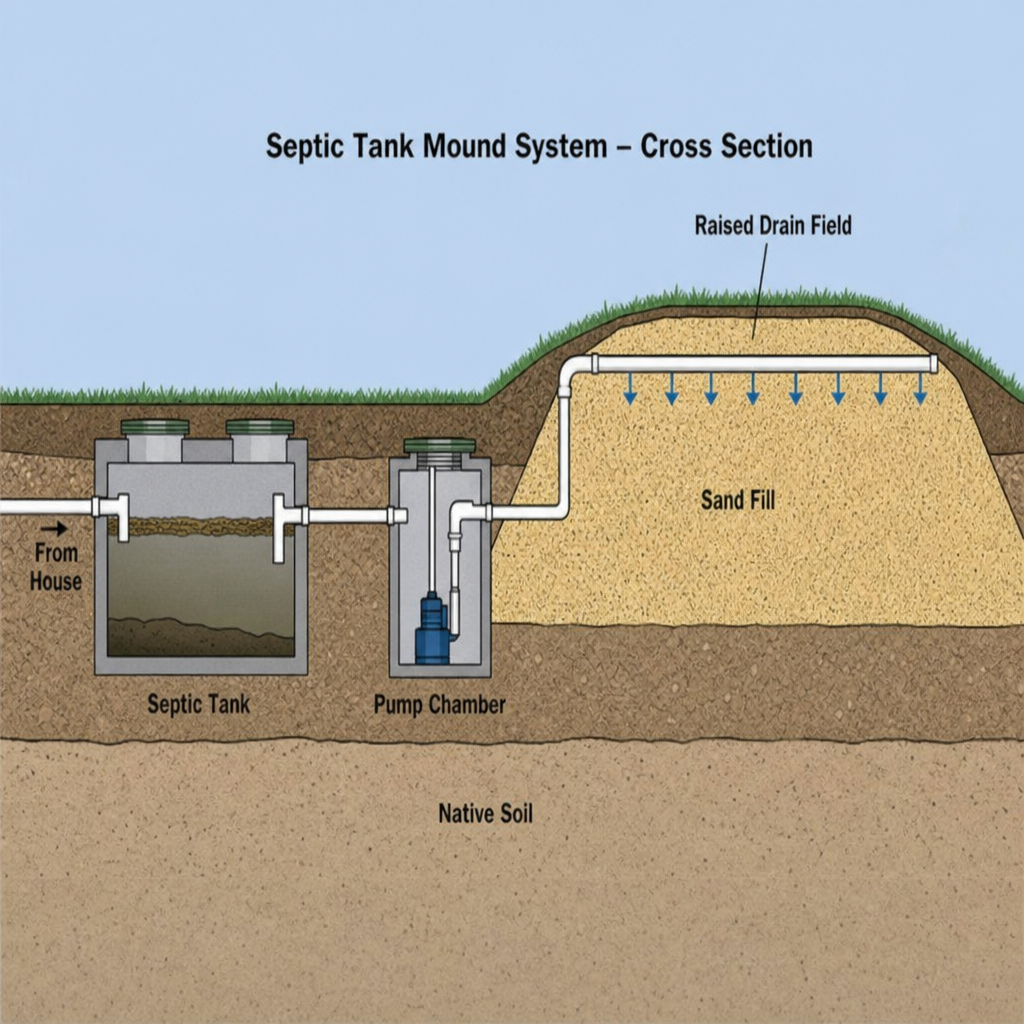
A septic tank mound system is an onsite wastewater system with an elevated drain field constructed above the property’s natural soil surface.
A conventional septic system typically sends wastewater from the septic tank directly into a drain field installed underground. A mound system adds another step by distributing wastewater through a raised treatment area.
The mound itself is engineered to provide suitable conditions for wastewater treatment when the property’s natural soil or groundwater conditions do not provide adequate separation.
From the outside, the system may simply look like a raised, grassy portion of the yard. Underneath, however, it contains carefully designed components that work together to treat wastewater.
Why Would a Florida Property Need an Elevated Drain Field?
Florida presents several challenges for onsite wastewater systems. The state is known for areas with high groundwater and seasonal rainfall, and soil conditions can vary significantly from one property to another.
A conventional drain field depends heavily on suitable soil conditions. If those conditions are not available, wastewater may not receive adequate treatment before reaching groundwater.
A mound system creates additional vertical separation and treatment space above the existing ground.
Conditions that may lead to the use of a mound system include:
- High seasonal groundwater
- Unsuitable or restrictive soil conditions
- Limited suitable soil depth
- Site characteristics that make a conventional drain field inappropriate
Whether a mound system is appropriate depends on the individual property and applicable requirements. A professional site evaluation is necessary before determining the correct septic design.
1. Wastewater First Enters the Septic Tank
A mound system still begins with a septic tank.
Wastewater from toilets, sinks, showers, laundry, and other household plumbing flows into the tank. Inside, heavier solids settle to the bottom while oils and other lighter materials rise.
The liquid portion of the wastewater then moves to the next stage of the system.
This initial separation is why regular septic tank maintenance remains essential even when a home uses an elevated drain field.
If excessive solids leave the tank, they can interfere with other system components and potentially shorten the useful life of the treatment area.
2. Wastewater Is Moved Toward the Mound
Unlike some conventional gravity-fed systems, mound systems may use a pump or dosing arrangement to move wastewater to the elevated treatment area.
This allows wastewater to be distributed through the mound in controlled amounts rather than overwhelming one section.
Components associated with wastewater delivery need to remain operational for the system to function as designed.
If a pump, control, or related component develops a problem, homeowners may notice alarms or wastewater-related symptoms that require professional attention.
3. The Mound Provides Additional Treatment
The elevated drain field is the defining feature of a septic tank mound system.
Wastewater is distributed through the mound and moves through the treatment material before reaching the underlying natural soil.
This process provides additional treatment and separation where the existing property conditions alone may not be sufficient for a conventional system.
Because the mound serves an important wastewater treatment function, homeowners should treat it as a protected part of the property rather than simply another section of lawn.
What Does a Mound System Look Like?
Mound systems are visible because they are constructed above the natural ground surface.
Depending on the property’s layout and system design, the mound may appear as a long, gently raised area covered with grass.
Homeowners sometimes try to disguise the mound through landscaping, but caution is important.
Deep-rooted vegetation, heavy structures, and activities that compact the soil can interfere with the system. Any landscaping changes around the treatment area should account for the septic system beneath it.
How Is a Mound System Different From a Conventional System?
Both systems treat household wastewater, but the biggest difference is where and how the drain field operates.
A conventional system generally relies on suitable natural soil below ground level. A mound system creates an elevated treatment area when site conditions require an alternative approach.
Mound systems may also contain additional mechanical components, which can mean homeowners need to pay closer attention to inspections and maintenance.
The system is not something to ignore simply because wastewater continues to disappear down the drains normally.
Septic Tank Maintenance Is Essential
Routine septic tank maintenance is particularly important because the mound depends on receiving wastewater that has already undergone proper separation in the tank.
Allowing excessive sludge to accumulate can increase the chance of solids moving farther into the system.
A good maintenance routine should account for factors such as:
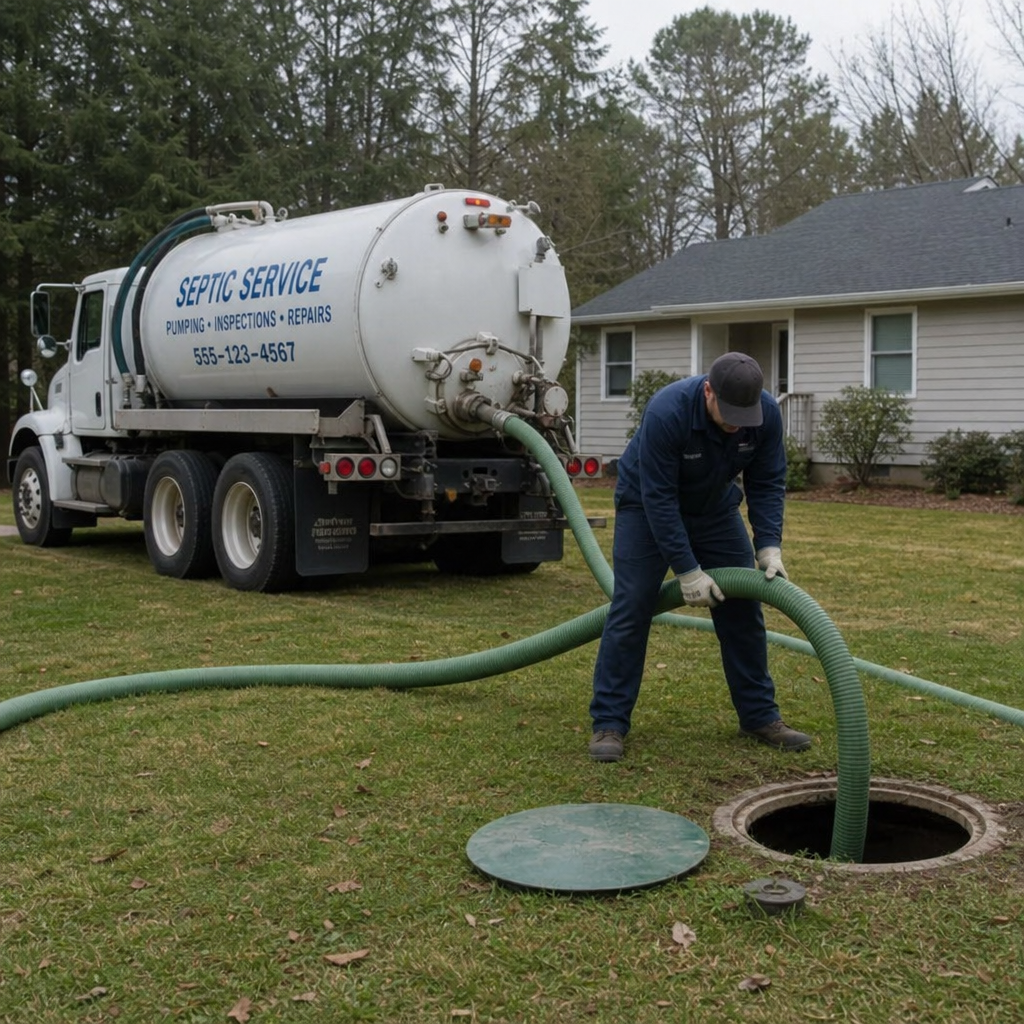
- Pumping needs: Have the septic tank pumped according to its condition, size, and household usage.
- Mechanical components: Pumps, controls, and alarms should remain operational where applicable.
- Water usage: Avoid sending excessive amounts of wastewater into the system within a short period.
- Mound condition: Watch for erosion, unusually wet areas, odors, or other visible changes.
Consistent care helps protect both the septic tank and the elevated treatment area.
Everyday Septic Tank Care Makes a Difference
Good septic tank care starts inside the home.
Everything that goes down a toilet or drain eventually affects the septic system. Flushing inappropriate materials or sending excessive grease and solids into the tank increases the workload placed on the system.
Avoid flushing wipes, paper towels, hygiene products, and other materials that do not break down easily. Cooking grease should also stay out of kitchen drains.
Water conservation matters as well.
Instead of completing several loads of laundry back-to-back, spreading them throughout the week can reduce sudden hydraulic stress. Repair leaking toilets and faucets promptly so unnecessary water is not constantly entering the tank.
Protect the Mound From Physical Damage
The elevated area requires protection from activities that can compact or disturb it.
Do not routinely drive or park cars, trucks, trailers, or heavy equipment over the mound. Heavy weight can compact treatment material and potentially damage underground components.
Homeowners should also be cautious about:
- Constructing patios, sheds, or other structures over the area
- Digging without knowing where septic components are located
- Planting trees or vegetation with aggressive root systems
Keeping the mound accessible also makes future inspections and maintenance easier.
Warning Signs a Mound System Needs Professional Attention
Even a properly maintained system can eventually develop problems.
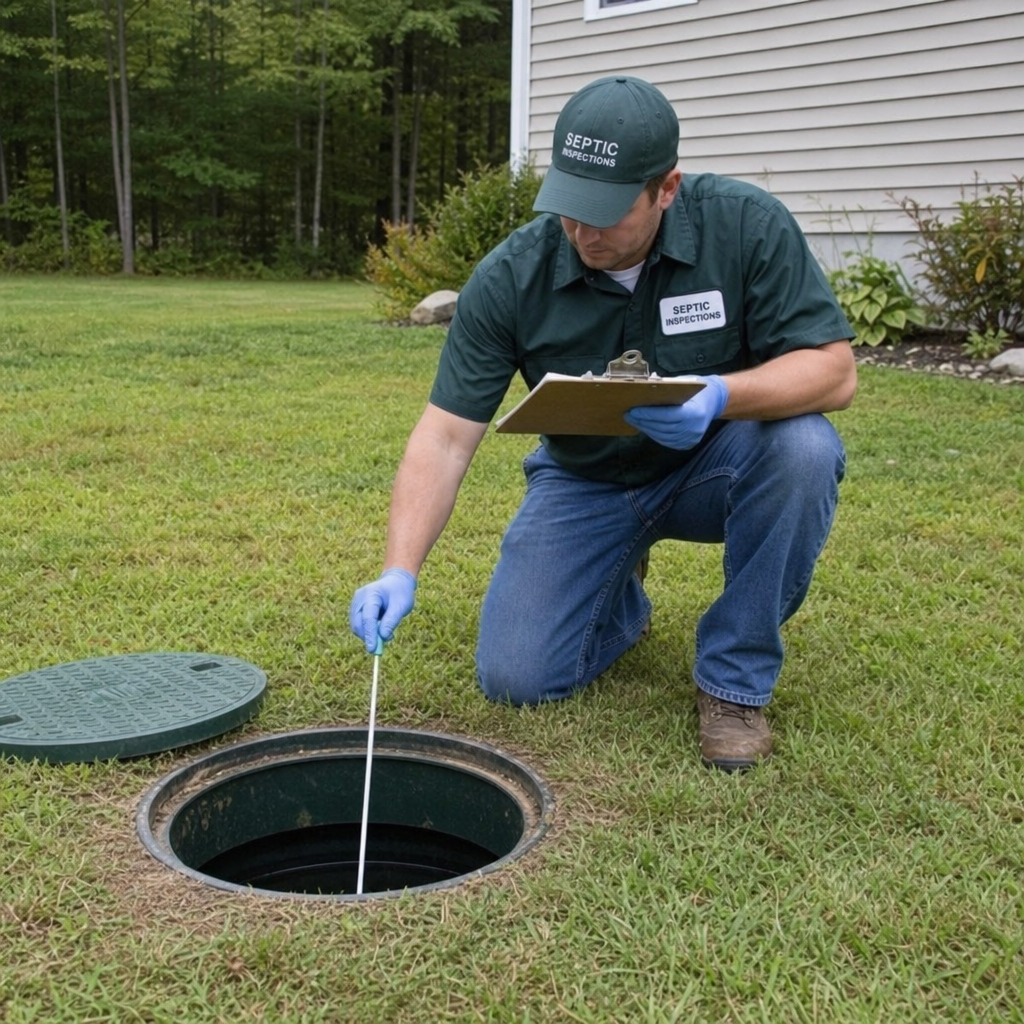
Contact a septic professional if you notice recurring slow drains, sewage odors, unusually wet areas, wastewater surfacing around the mound, or alarms associated with system components.
A problem does not necessarily mean the entire system has failed. It could involve a full tank, pump problem, damaged component, or another issue that can be addressed if caught early.
The important thing is not to ignore the warning signs.
Why Florida Experience Matters
A septic tank mound system Florida property owners depend on must operate within challenging local environmental conditions.
Rainfall, groundwater, soil characteristics, property elevation, and wastewater usage can all affect septic performance.
Working with experienced local septic professionals provides homeowners with access to people familiar with the conditions affecting Southwest Florida properties. Instead of guessing about a problem, technicians can inspect the system and determine what type of service is appropriate.
Can Proper Maintenance Help a Mound System Last Longer?
No septic system lasts forever, but proper maintenance can help reduce unnecessary stress and prevent avoidable problems.
Routine pumping keeps excessive solids from accumulating. Inspections can identify concerns before they become larger repairs. Responsible water use prevents unnecessary overload, while protecting the mound from vehicles and construction helps preserve the treatment area.
The goal of good septic tank care is not simply to respond when something fails. It is to keep the entire system functioning properly for as long as possible.
Protect Your Septic Tank Mound System With Crews Septic Solutions
A mound system provides an important wastewater solution for properties where a conventional drain field may not be appropriate. Because the system relies on an elevated treatment area and may include additional components, routine care should remain a priority.
If your property has a septic tank mound system, keep up with pumping, inspections, responsible water use, and professional maintenance. Pay attention to odors, standing water, slow drainage, alarms, or changes around the mound rather than waiting for a major backup.
Crews Septic Solutions provides septic pumping, inspections, repairs, maintenance, and other septic services for properties throughout Southwest Florida. Their team can help you understand your system and determine what service it needs.
For professional septic tank maintenance and septic system service, contact Crews Septic Solutions at 239.694.1067 or email crewsseptic@yahoo.com to schedule an appointment.