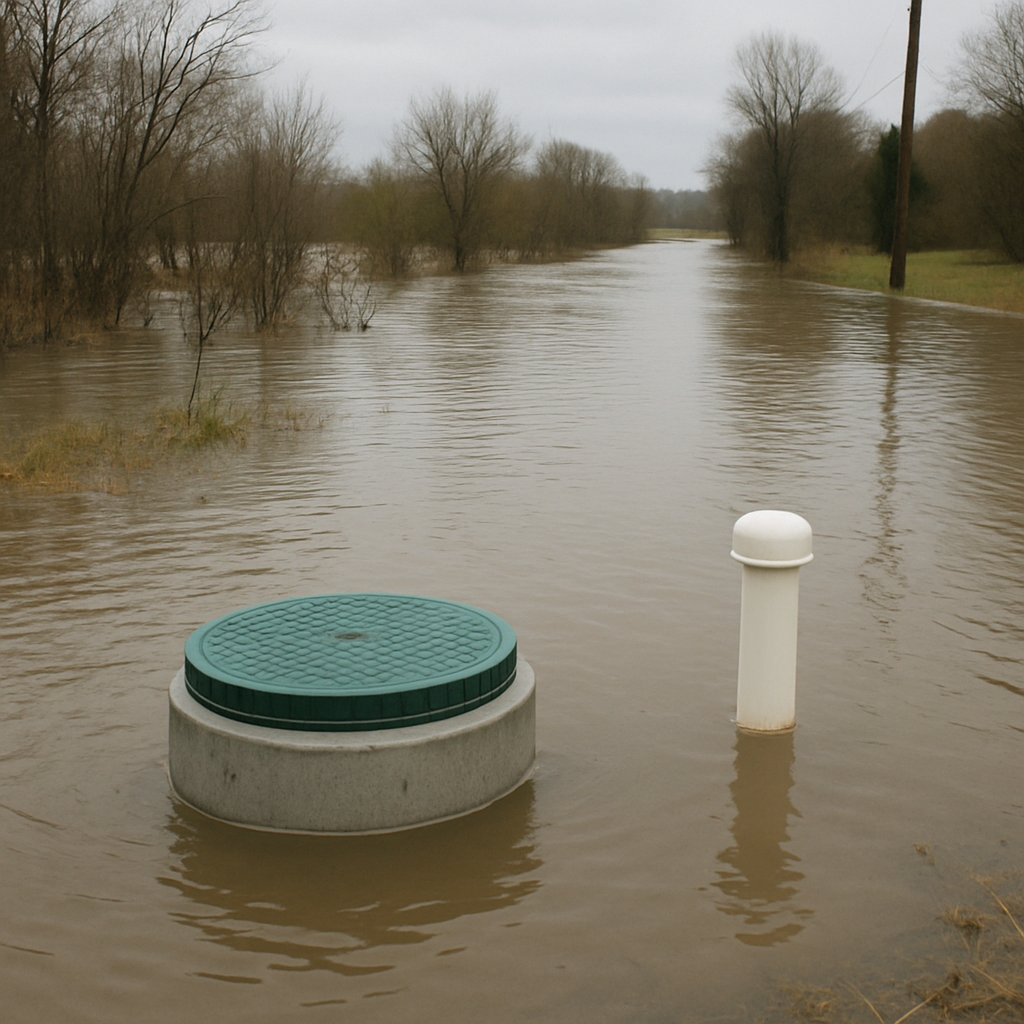
Yes, you can repair a cracked septic tank after heavy rain or flooding, but not always. It depends on how severe the damage is and what the ground conditions look like after the storm.
Heavy rain and flooding don’t just expose septic problems, they often make them worse. What might have been a small crack before can turn into a major issue once the soil shifts, water pressure increases, and the system becomes overloaded.
If you’re dealing with this situation, this guide will walk you through what’s actually happening underground, what your options are, and when cracked septic tank repair is still possible.
What Heavy Rain and Flooding Do to Your Septic Tank
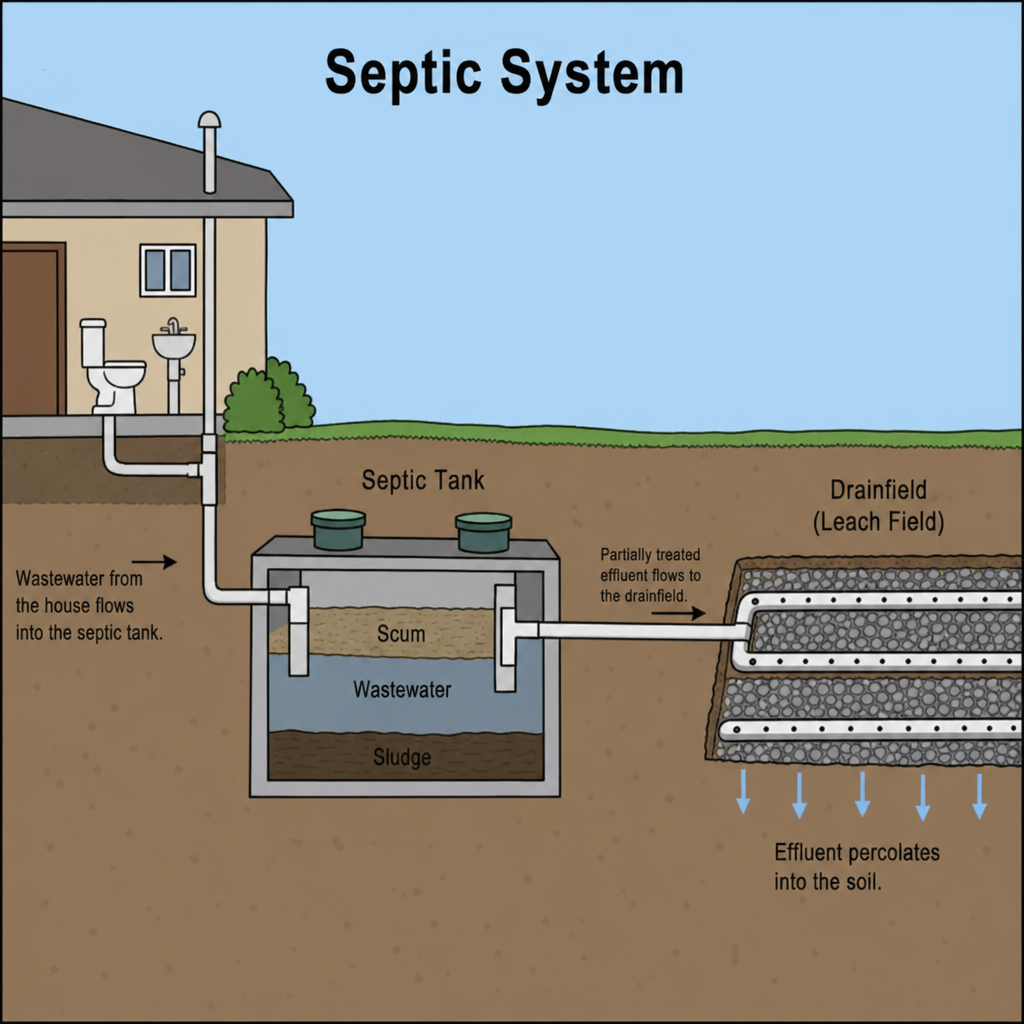
Septic systems are designed to handle wastewater—not excess groundwater.
After heavy rain or flooding, several things happen at once:
- The soil becomes saturated
- Ground pressure increases around the tank
- Water enters areas it normally wouldn’t
- The drain field stops absorbing properly
If your septic tank already had a weak spot or small crack, these conditions can make it worse.
This is why many homeowners only discover the issue after a storm.
Can You Repair a Cracked Septic Tank After Flooding?
The short answer: sometimes yes, sometimes no.
Whether septic tank repair is possible depends on three key factors:
1. Size and Type of the Crack
- Small surface cracks may be repairable
- Structural cracks (deep or spreading) are more serious
2. Tank Material
- Concrete tanks can sometimes be sealed
- Plastic or fiberglass tanks may need replacement if damaged
3. Ground Stability
- If the soil is still shifting or saturated, repairs may not hold
- Stable ground is required for long-term fixes
So while the answer to “can you repair a cracked septic tank” is often yes, it’s not always the best or safest option.
Signs Your Septic Tank Was Damaged After Heavy Rain
Not all damage is obvious right away. Some signs show up slowly.
Watch for:
- Standing water near the septic area
- Strong sewage odors after rain
- Slow drains throughout the house
- Gurgling sounds in plumbing
- Sudden backups
These are all signs that your system may need septic system repair.
When Cracked Septic Tank Repair Is Possible
In certain cases, repairs can work well—especially if the damage is caught early.
Repair may be possible if:
- The crack is small and not spreading
- The tank structure is still stable
- There is no major leakage into surrounding soil
- The ground has dried and stabilized
Common repair methods include:
- Sealing cracks with specialized materials
- Applying waterproof coatings
- Reinforcing weak areas
These methods can extend the life of your system if the damage is not severe.
When Repair Is Not Enough
There are situations where septic tank repair won’t solve the problem.
After heavy rain or flooding, damage can go beyond what’s visible.
Repair may not work if:
- The crack is structural or widening
- The tank has shifted or sunk
- There is ongoing leakage
- The surrounding soil is unstable
In these cases, repairs may only be temporary.
Replacing the tank—or part of the system—may be the safer long-term solution.
Why Flooding Makes Repairs More Complicated
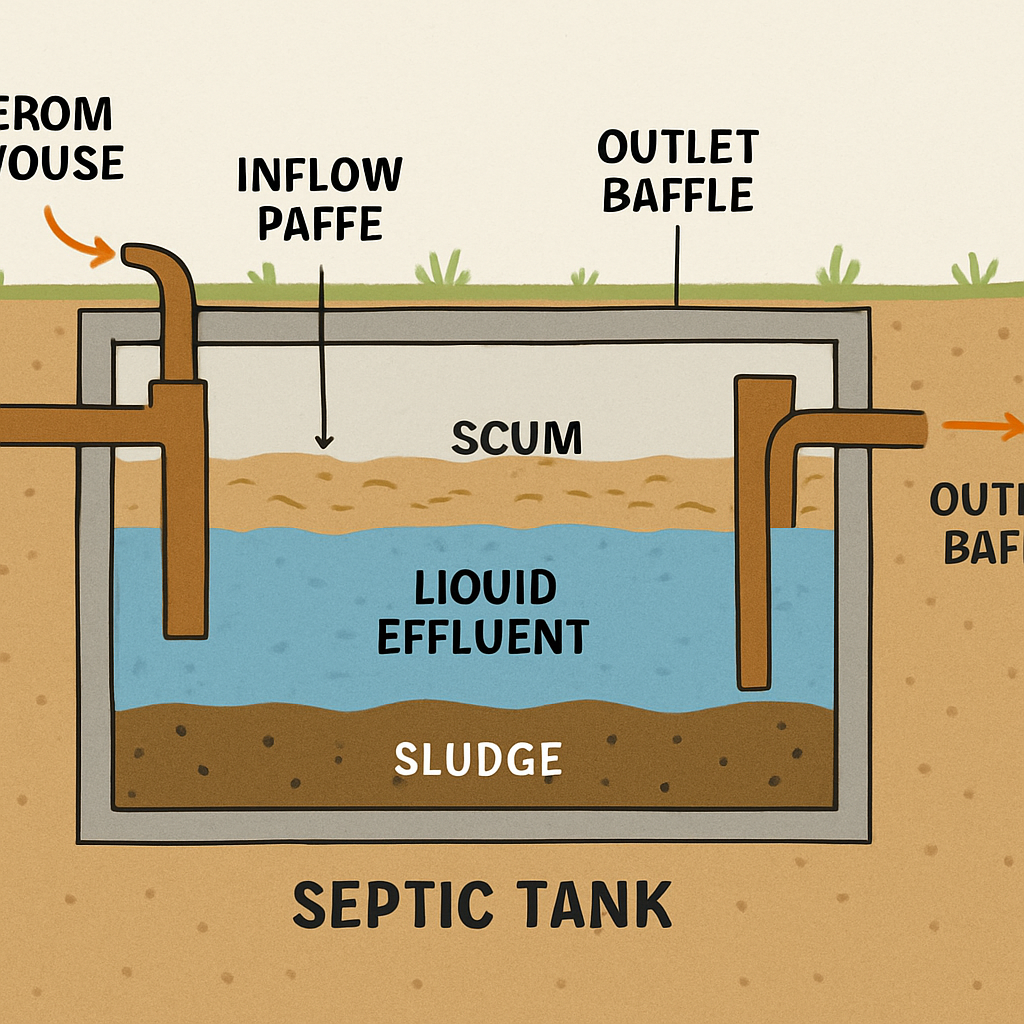
Flooding adds a layer of complexity to any septic system repair.
Even if you fix the crack, the environment around the tank may still be unstable.
Challenges include:
- Waterlogged soil weakening support
- Increased pressure on tank walls
- Drain field failure due to saturation
This is why timing matters.
Trying to repair too soon—before conditions stabilize—can lead to repeat issues.
What You Should Do First After Discovering a Crack
If you suspect a crack after heavy rain, don’t rush into repairs right away.
Step 1: Limit Water Use
Reduce strain on the system:
- Avoid heavy water usage
- Delay laundry and long showers
Step 2: Avoid DIY Fixes
Temporary patches often fail, especially after flooding.
They may:
- Wash away
- Crack again
- Make the problem worse
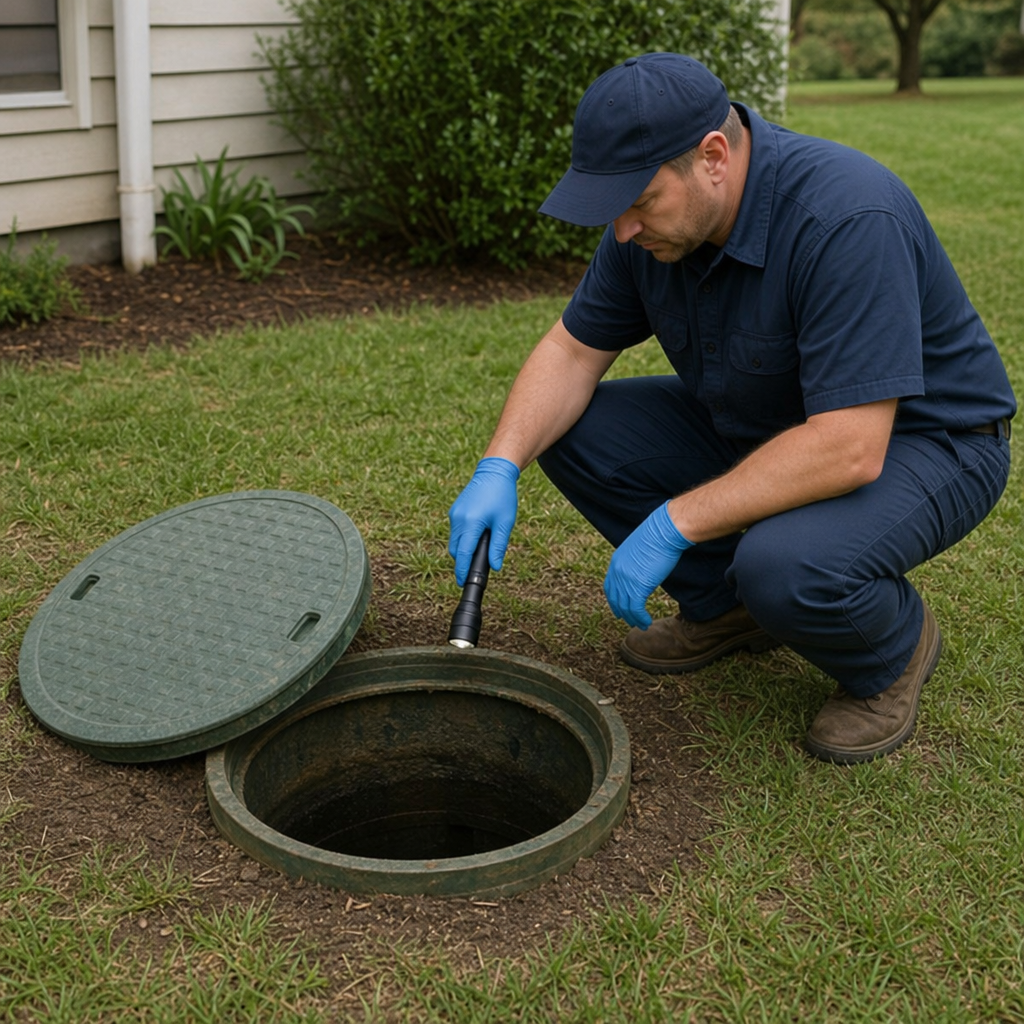
Step 3: Get a Professional Inspection
A proper inspection helps determine:
- How serious the crack is
- Whether cracked septic tank repair is possible
- What the safest next step is
This step is critical before making any decisions.
How Professionals Evaluate the Damage
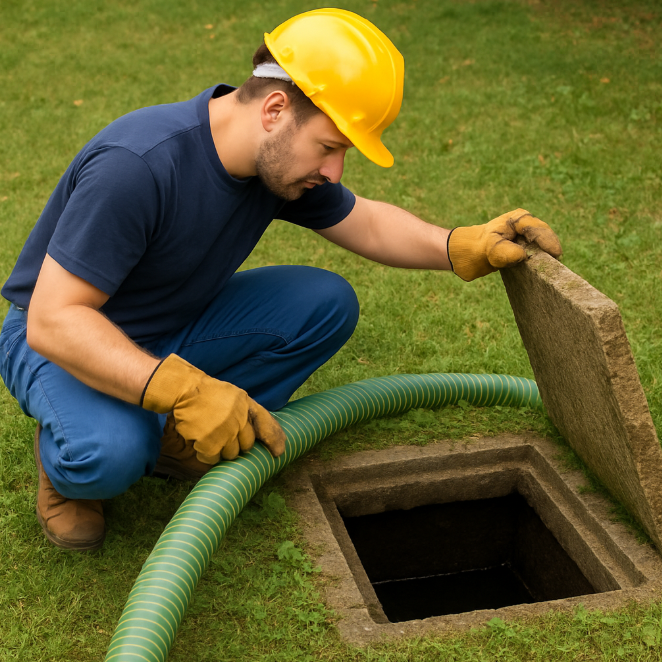
A septic professional doesn’t just look at the crack—they look at the entire system.
They check:
- Tank structure and material
- Soil conditions
- Water levels around the system
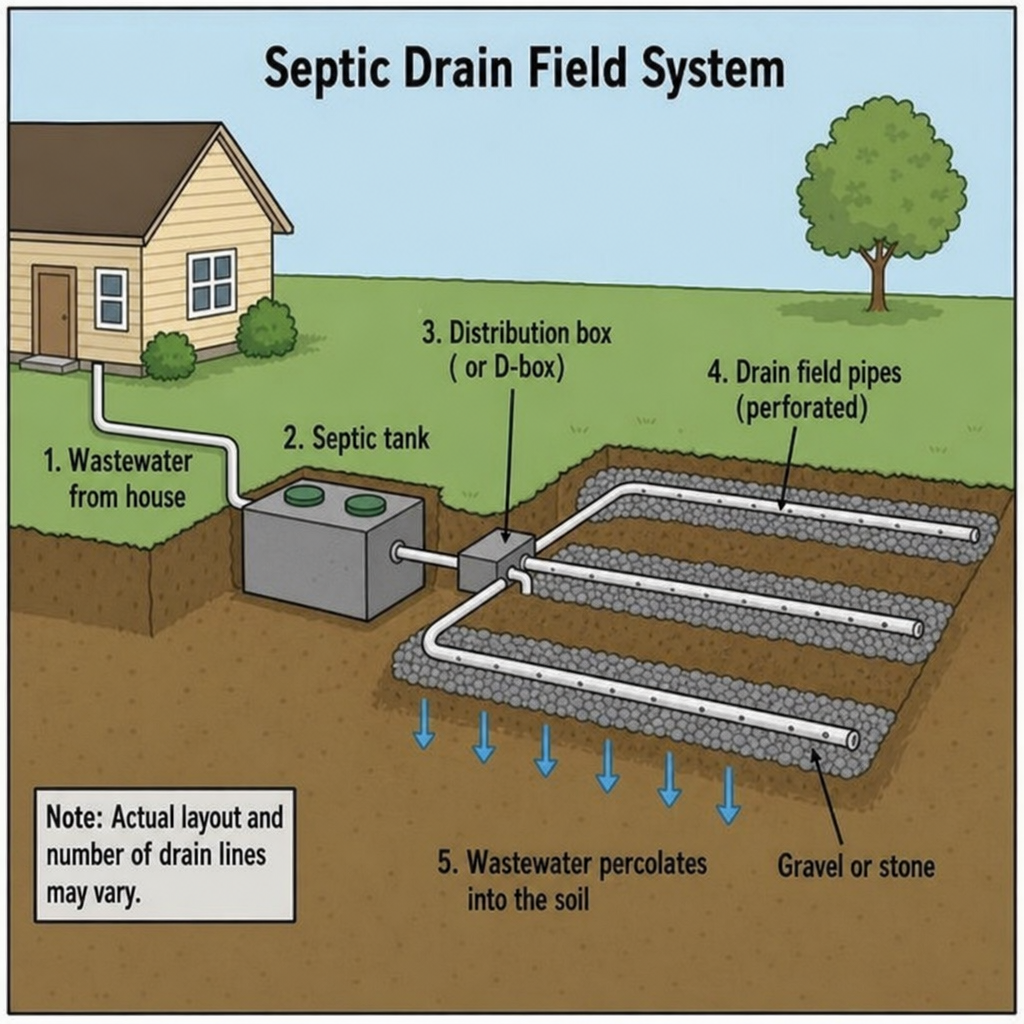
- Drain field performance
This full evaluation helps determine whether septic system repair will last or fail.
Cost Considerations: Repair vs Replacement
After flooding, many homeowners hope repair will be the cheaper option.
Sometimes it is—but not always.
Repair may cost less upfront, but:
- It may not last if conditions are unstable
- You could need repeated repairs
Replacement costs more initially, but:
- It provides a long-term solution
- It reduces future risks
The right choice depends on the severity of the damage.
How to Prevent Future Cracks After Heavy Rain
While you can’t control the weather, you can reduce the risk of damage.
Simple steps that help:
- Schedule regular inspections
- Keep heavy vehicles away from the tank area
- Manage water drainage around your property
- Avoid overloading the system
Preventive care makes a big difference over time.
Final Thoughts
So, can you repair a cracked septic tank after heavy rain or flooding?
Yes—but only if the damage is minor and the conditions are right.
Heavy rain often turns small issues into bigger ones. That’s why it’s important to:
- Act quickly
- Get a proper inspection
- Choose the right solution—not just the fastest one
When done correctly, cracked septic tank repair can extend your system’s life. But in some cases, replacement is the smarter move.
Need Help With Septic Tank Repair?
If you’re dealing with a cracked tank after heavy rain or flooding, it’s best to have your system checked before the problem gets worse.
Crews Septic Solutions can help you:
- Assess the damage
- Determine if septic tank repair is possible
- Provide reliable septic system repair solutions
Call 239.694.1067 or email crewsseptic@yahoo.com to schedule an inspection or ask questions about your septic system.
Getting the right answer early can save you time, money, and stress.