Your septic tank handles wastewater every day, but it cannot store solid waste forever. Over time, sludge and other materials accumulate inside the tank and need to be professionally removed. Waiting too long can increase the risk of slow drains, unpleasant odors, sewage backups, and damage to the drain field.
If you have been searching for septic tank waste removal near me, you may already suspect that your system needs attention. However, you do not have to wait for an obvious problem before scheduling service.
Regular septic tank waste removal, pumping, and inspections can help keep your system functioning properly and reduce the chance of an expensive septic emergency.
What Is Septic Tank Waste Removal?
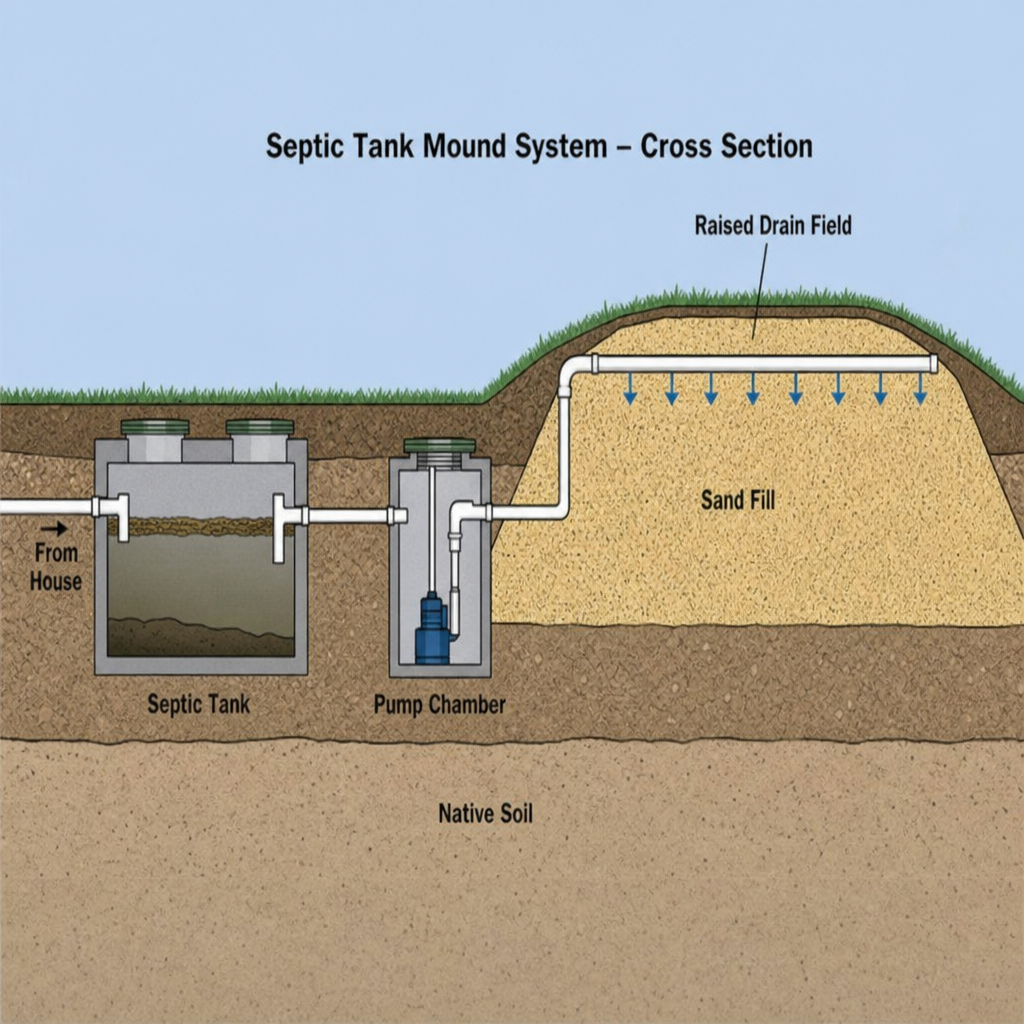
A septic tank receives wastewater from toilets, showers, sinks, washing machines, and other plumbing fixtures throughout your home.
Inside the tank, waste generally separates into different layers. Heavier solids settle at the bottom as sludge, while lighter materials such as grease can collect toward the top. Liquid wastewater then moves through the system toward the drain field for further treatment.
The solids do not simply disappear. As they accumulate, they reduce the tank’s available capacity.
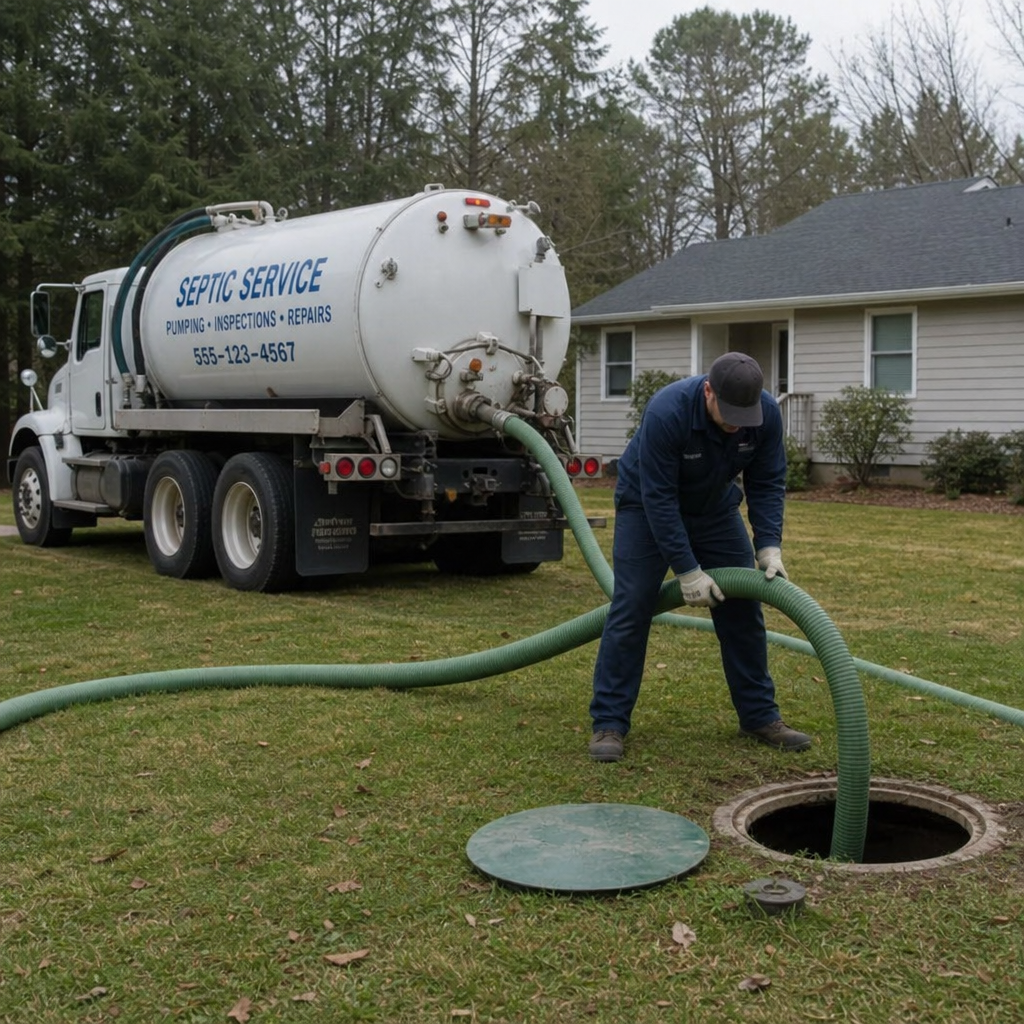
Septic tank waste removal involves professionally pumping accumulated wastewater, sludge, and other pumpable material from the tank so the system can continue operating effectively.
Why Regular Septic Tank Pumping Matters
Routine septic tank pumping is one of the most important parts of septic system maintenance.
When too much sludge accumulates, solids may begin moving out of the tank and toward the drain field. The drain field is designed to receive wastewater, not large amounts of solid material.
If solids clog the drain field, wastewater may stop dispersing properly. This can eventually result in standing water, odors, backups, or expensive repairs.
Regular pumping helps prevent the tank from reaching this point.
1. It Has Been Several Years Since Your Last Pumping
You should not wait until sewage backs up into your home before thinking about septic service.
Pumping frequency varies based on factors such as:
- Tank size
- Number of people in the household
- Amount of wastewater generated
- Volume of solids entering the system
For many households, septic pumping is needed every few years, but there is no universal schedule for every property.
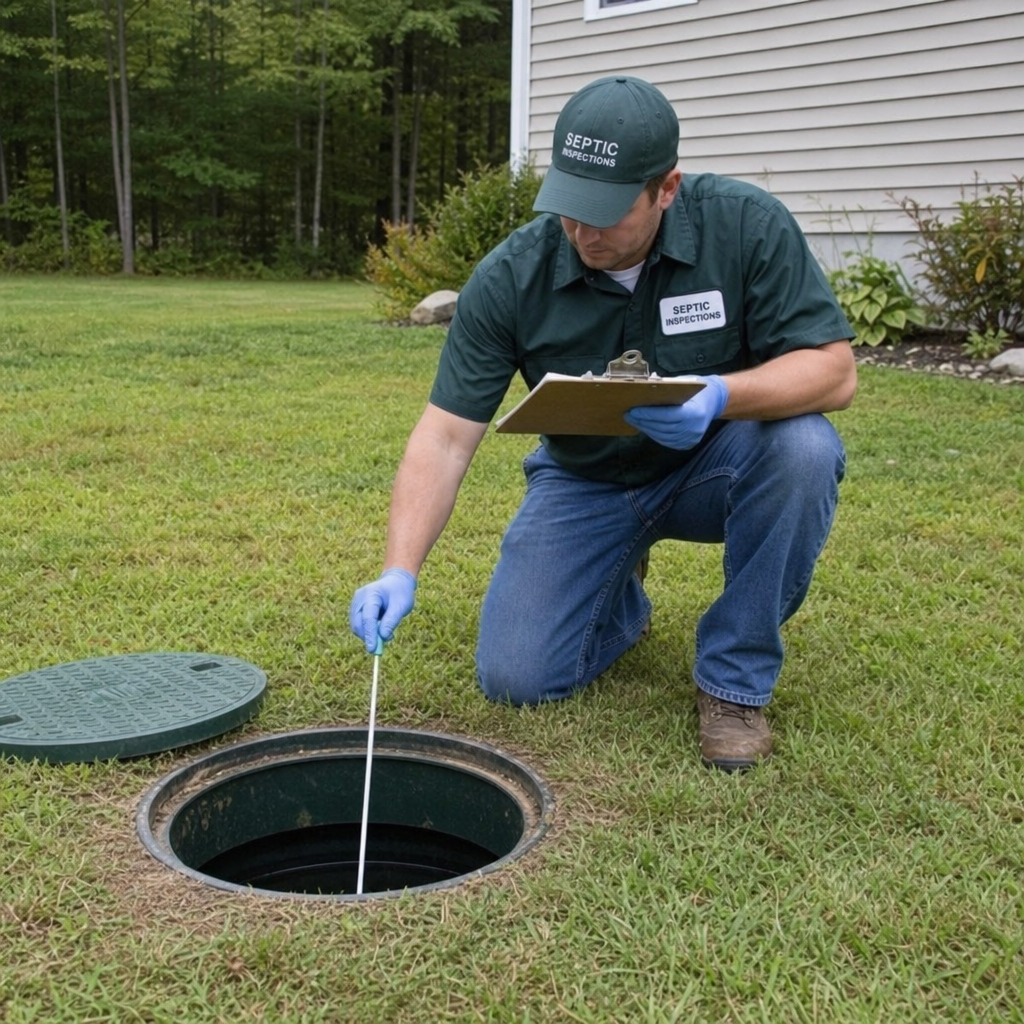
If you cannot remember the last time your tank was serviced, scheduling a septic tank inspection is a smart first step.
2. Multiple Drains Are Moving Slowly
A single slow sink may indicate a localized plumbing clog. However, several slow drains throughout the home can signal a larger wastewater problem.
You may notice showers taking longer to empty, toilets flushing poorly, or sinks draining more slowly than normal.
When these symptoms appear throughout the property, your septic tank may be too full or another part of the system may not be working correctly.
Professional inspection can determine whether pumping is needed or if another issue is responsible.
3. Your Plumbing Starts Making Gurgling Sounds
Unusual plumbing noises deserve attention.
Gurgling from toilets, sinks, or tubs can occur when wastewater or air is having difficulty moving through the system. While there are several possible causes, a septic tank nearing capacity may be one of them.
If gurgling occurs alongside slow drains or odors, it is especially important to arrange service promptly rather than waiting for a backup.
4. You Notice Sewage Odors
A properly functioning septic system should not regularly make your property smell like sewage.
Persistent odors around the tank, drain field, or inside the home can indicate that wastewater is not moving or being contained as intended.
Odors do not automatically mean the tank simply needs pumping. They may also point to drainage, venting, or system problems.
This is why a professional septic tank inspection is valuable. It allows the technician to investigate the source instead of assuming pumping alone will solve the issue.
5. There Is Standing Water Near the Septic Area
Wet or unusually soggy ground near the septic tank or drain field can be a serious warning sign.
If the soil is wet even when there has not been significant rainfall, wastewater may be surfacing because the system cannot handle the incoming flow.
You may also notice unusually green or fast-growing grass over part of the septic area.
Standing wastewater should be addressed quickly. Keep children and pets away from the affected area and contact a septic professional for an evaluation.
What Happens During Septic Tank Waste Removal?
If you have never scheduled septic pumping before, the process may seem complicated. For homeowners, however, professional service is generally straightforward.
The typical process includes:
- Locating and accessing the tank. The technician identifies the septic tank and safely accesses the appropriate opening.
- Evaluating the system. The condition of the tank and waste levels can be assessed to identify obvious concerns.
- Pumping the tank. Specialized equipment removes accumulated wastewater and solids.
- Checking for potential problems. The technician may identify signs of damage or other conditions that warrant additional attention.
The exact service will depend on your septic system and its condition.
Why an Inspection Is Important Along With Pumping
Pumping addresses accumulated waste, but it does not automatically correct every septic problem.
For example, a homeowner experiencing repeated backups may have a damaged component or drain field problem rather than simply a full tank.
A septic tank inspection can help identify concerns that might otherwise remain hidden underground.
It is particularly useful if you have experienced repeated drainage problems, recently purchased a property with a septic system, or do not know the system’s maintenance history.
What Happens If You Delay Waste Removal?
Postponing pumping can create a chain of problems.
As sludge levels rise, the tank has less capacity available for wastewater. If solids begin leaving the tank, they can place additional stress on downstream components.
Eventually, you could face:
- Sewage backups inside the home
- Drain field problems
- Wastewater surfacing outdoors
- More extensive septic repairs
Scheduling routine service is far easier than dealing with a septic failure after wastewater begins backing up.
Can You Pump a Septic Tank Yourself?
Septic pumping is not a suitable DIY maintenance project.
Septic tanks can contain dangerous gases and biological hazards, and accessing the system improperly can create serious safety risks. Professional pumping also requires specialized equipment to remove and properly handle septic waste.
Homeowners can help maintain their systems by controlling water use and being careful about what goes down drains, but actual waste removal should be left to trained septic professionals.
How to Reduce Septic Problems Between Services
Professional pumping is only one part of responsible septic care.
Between appointments, homeowners can protect their systems by fixing leaking fixtures, avoiding excessive water use, spreading laundry throughout the week, and keeping wipes, grease, hygiene products, and other inappropriate materials out of drains and toilets.
You should also avoid driving or parking heavy vehicles over the septic tank and drain field.
These everyday habits reduce unnecessary stress and may help your septic system perform more reliably between professional visits.
Don’t Wait Until You Have a Septic Emergency
Searching for septic tank waste removal near me after sewage starts backing up is much more stressful than arranging routine service ahead of time.
If you are unsure when the tank was last pumped, have a large household, or have recently noticed slow drains and odors, it may be time to have the system evaluated.
A professional can determine whether you need septic tank pumping, an inspection, repairs, or another septic service based on the actual condition of your system.
Schedule Septic Tank Waste Removal With Crews Septic Solutions
Routine septic care can help protect your home, drain field, and entire wastewater system. Instead of waiting for a backup or overflow, pay attention to your system’s maintenance history and early warning signs.
Crews Septic Solutions provides professional septic services for homeowners and properties throughout Southwest Florida. Whether you need septic tank waste removal, pumping, inspection, or help diagnosing a septic problem, their team can evaluate your system and recommend the appropriate next step.
If you are searching for reliable septic tank waste removal near me, contact Crews Septic Solutions today. Call 239.694.1067 or email crewsseptic@yahoo.com to schedule your septic service.