Your septic tank handles wastewater from your home every day, but it cannot operate indefinitely without maintenance. Over time, solid waste accumulates inside the tank, reducing its available capacity and increasing the risk of drainage problems. Unfortunately, many homeowners do not realize their septic system needs attention until they experience slow drains, unpleasant odors, or sewage backups.
If you have been searching for septic pumping in my area, you may be wondering whether your tank is due for service or if another problem is affecting your plumbing.
Understanding the warning signs, recommended pumping schedules, and importance of professional septic pumping services can help you protect your home and avoid expensive repairs.
Why Do Septic Tanks Need Regular Pumping?
A septic tank collects wastewater from toilets, showers, sinks, washing machines, and other household fixtures.
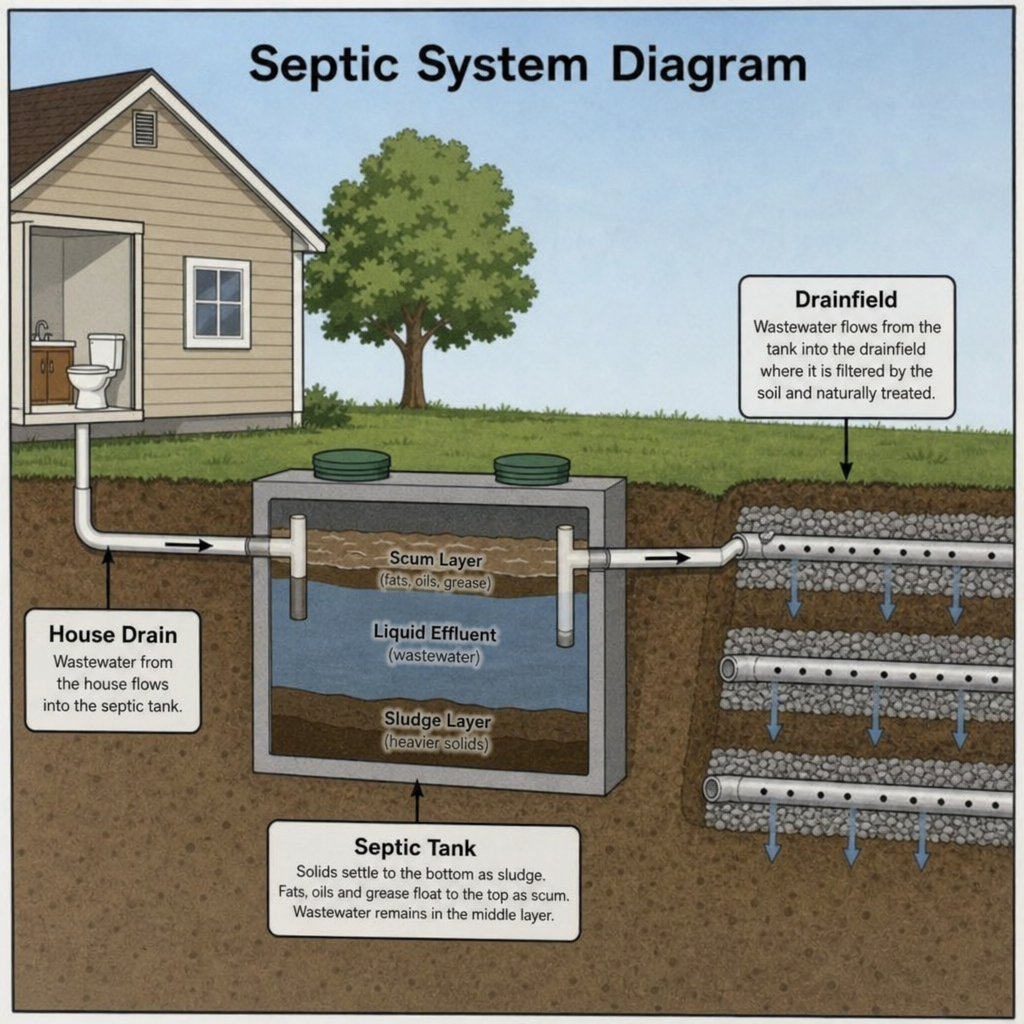
Inside the tank, wastewater separates into three main layers:
- Sludge: Heavy solid materials settle at the bottom of the tank.
- Scum: Grease, oils, and lighter materials collect near the surface.
- Liquid wastewater: The partially treated liquid moves toward the drain field for further treatment.
Although some organic materials break down naturally, sludge and scum continue accumulating over time.
Professional septic tank pumping removes these materials before they interfere with wastewater treatment or damage other system components.
Without regular service, solids can eventually escape into the drain field, creating blockages and potentially expensive repairs.
It Has Been Several Years Since Your Last Pumping
One of the easiest ways to determine whether your septic tank needs service is to review your maintenance history.
According to the U.S. Environmental Protection Agency, household septic tanks generally require pumping every three to five years, although individual schedules vary.
Several factors influence pumping frequency, including:
- Household size and daily water usage
- Septic tank capacity
- Amount of solid waste entering the system
- Garbage disposal usage
A larger household using a relatively small tank may require more frequent pumping than a smaller household with a larger system. If you cannot remember your last service appointment, arranging an inspection is a practical starting point.
Multiple Drains Are Slowing Down
Slow drainage is another common reason homeowners begin searching for septic pumping in my area.
When wastewater cannot move through the system efficiently, you may notice water collecting in sinks, bathtubs, or showers. However, one slow drain does not automatically mean your septic tank is full.
A localized blockage may require professional drain cleaning rather than septic pumping. The situation becomes more concerning when several fixtures throughout the home drain slowly at the same time.
A septic professional can help determine whether accumulated sludge, a blocked pipe, or another system problem is responsible.
You Notice Persistent Sewage Odors
A properly functioning septic system should not regularly produce strong sewage smells around your home. Persistent odors near the septic tank, drain field, or indoor plumbing fixtures can indicate a wastewater problem.
Possible causes include excessive waste accumulation, blocked pipes, damaged components, or drainage difficulties. Because several issues can produce similar odors, pumping should not automatically be considered the solution.
A professional inspection can identify the likely cause and determine whether the tank requires pumping or additional repairs.
Your Toilets Make Gurgling Sounds
Unusual bubbling or gurgling noises from toilets and drains may indicate restricted wastewater flow. For example, you might hear a toilet gurgle while the washing machine drains or notice bubbling when another plumbing fixture is used.
These sounds can result from plumbing blockages, venting problems, or septic system issues. If the noises occur alongside slow drainage or recurring backups, schedule professional service promptly.
Addressing the problem early may prevent wastewater from backing up into the home.
Water Is Pooling Around the Septic Area
Standing water near the septic tank or drain field deserves immediate attention, particularly when the surrounding ground is otherwise dry.
A properly functioning drain field allows wastewater to move through suitable soil for further treatment. When the system cannot disperse wastewater effectively, moisture may accumulate near the surface.
Warning signs include:
- Unusually soggy ground around the drain field
- Persistent puddles without recent rainfall
- Wastewater appearing above the soil
Standing water does not necessarily mean the tank simply needs pumping. Drain field saturation, damaged pipes, or other problems may be responsible.
Keep children and pets away from suspected wastewater and arrange a professional evaluation.
Sewage Starts Backing Up Into Your Home
Sewage backing up through toilets, showers, bathtubs, or floor drains is one of the most serious warning signs of a wastewater system problem.
Backups can occur when the tank contains excessive solids, a pipe becomes blocked, or the drain field cannot accept additional wastewater. Because sewage can contain harmful microorganisms, immediate action is necessary.
Stop using water whenever possible, avoid repeatedly flushing toilets, and contact a qualified professional.
Emergency pumping may be appropriate in some situations, but the underlying cause must also be identified to prevent recurring problems.
How Often Should You Schedule Septic Tank Pumping?
There is no universal pumping schedule suitable for every household. Most conventional residential septic tanks need pumping approximately every three to five years, but actual intervals depend on system characteristics and household usage.
A home with two residents may accumulate solids more slowly than a property occupied by six people. Similarly, frequent garbage disposal use can increase the amount of solid material entering the tank.
Rather than relying exclusively on a calendar, homeowners should combine recommended pumping intervals with periodic professional inspections.
This approach helps ensure septic pumping services are scheduled according to the tank’s actual condition.
Septic Tank Pumping vs. Drain Cleaning: What’s the Difference?
Homeowners sometimes confuse septic pumping with drain cleaning because both services can address wastewater-related symptoms.
However, they serve different purposes.
Septic Tank Pumping
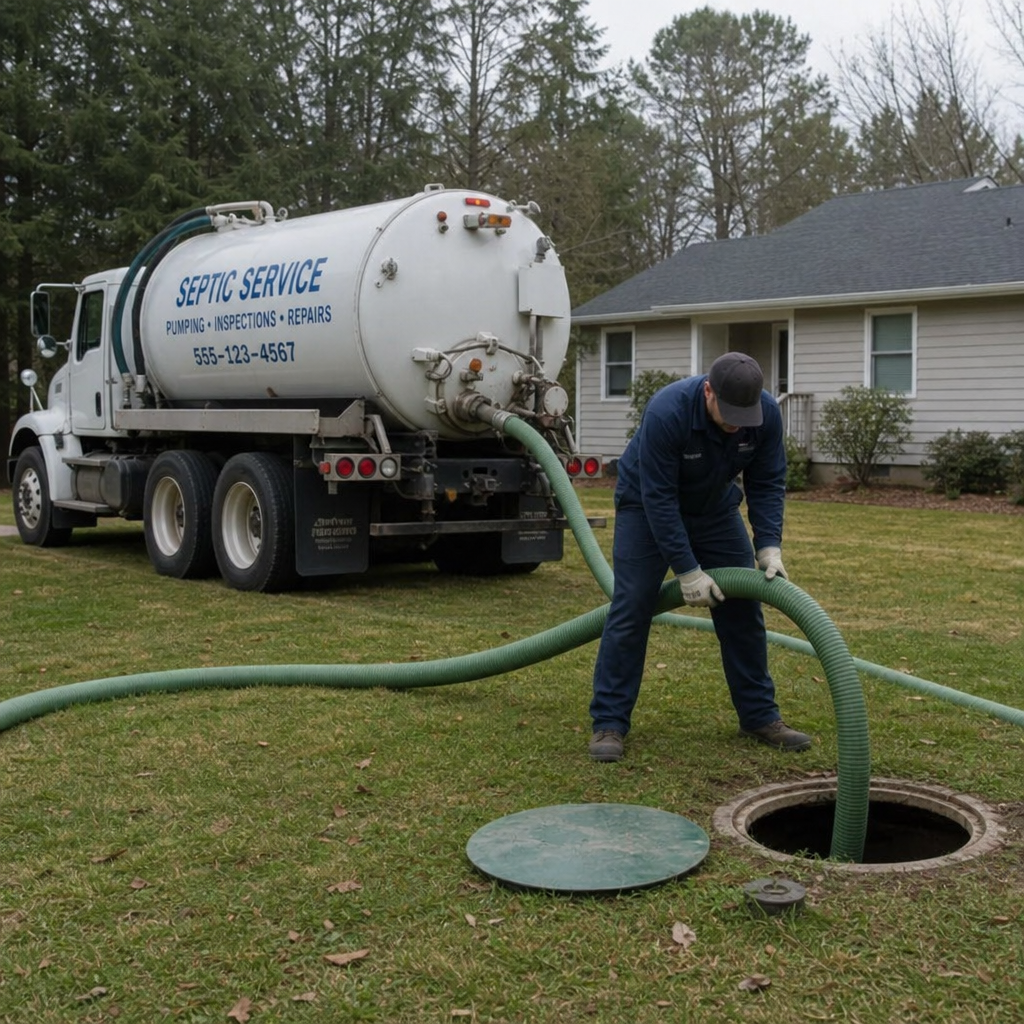
Septic pumping removes accumulated sludge, scum, and wastewater from the septic tank using specialized equipment.
The goal is to prevent excessive solid waste accumulation and protect downstream components.
Drain Cleaning
Drain cleaning addresses blockages within plumbing or drainage pipes. These blockages may involve grease, debris, foreign objects, or other materials restricting wastewater movement.
A clogged household drain does not necessarily require septic pumping, just as pumping will not automatically clear a blocked plumbing line.
Professional diagnosis helps ensure the correct service is performed.
What Happens During Professional Septic Pumping?
If you have never scheduled septic pumping before, understanding the process can make the appointment easier.
A typical service involves several steps.
- Locating the tank: The technician identifies the septic tank and accesses the appropriate opening.
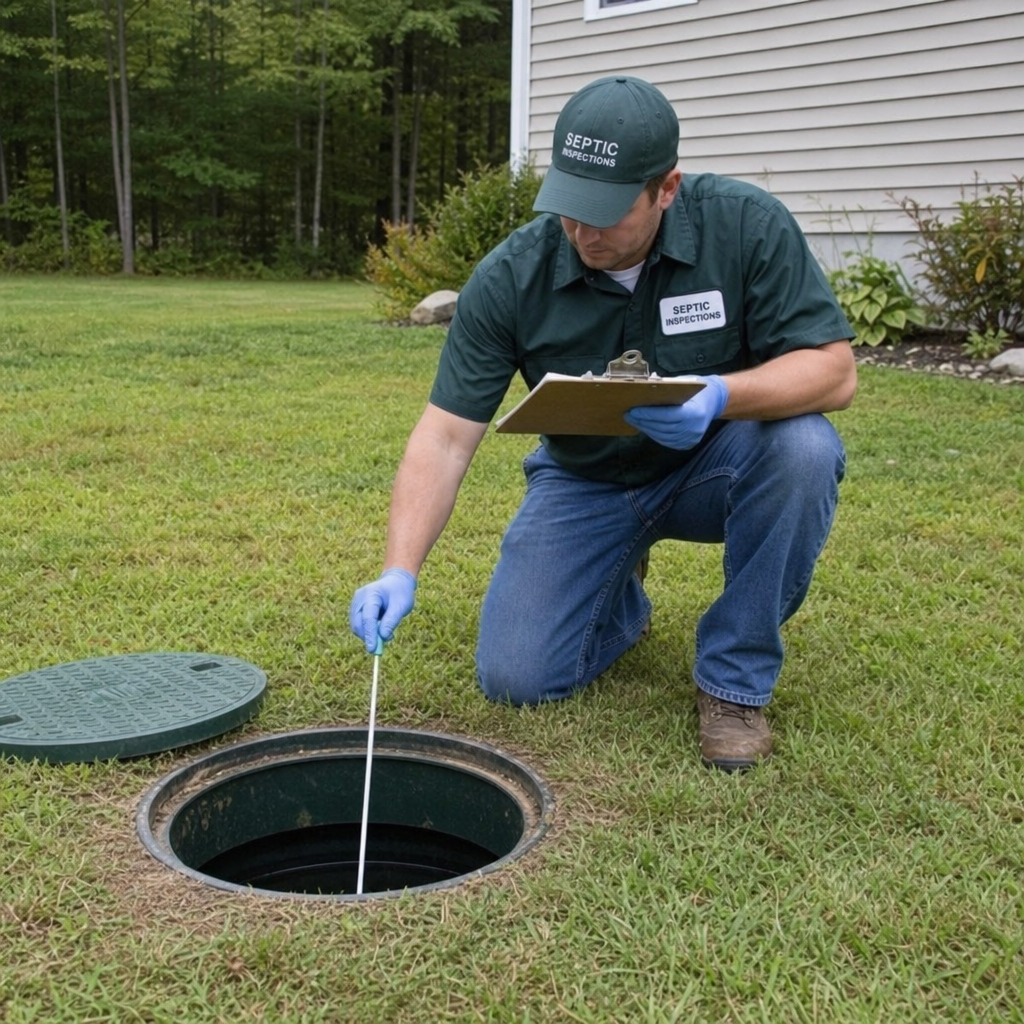
- Evaluating waste accumulation: Sludge and scum levels may be assessed to determine the tank’s condition.
- Removing accumulated waste: Specialized pumping equipment removes wastewater and solid materials.
- Checking accessible components: The technician may examine visible tank components for damage or other concerns.
- Providing maintenance guidance: Recommendations may include future pumping intervals, inspections, or necessary repairs.
The exact process depends on the system’s design, accessibility, and condition.
How to Protect Your Septic System Between Pumping Appointments
Regular pumping is essential, but daily household habits also influence septic system performance.
Excessive water usage can overwhelm the system, while inappropriate materials entering the tank may contribute to blockages.
Simple Septic Maintenance Habits
- Spread out water usage. Avoid running multiple large laundry loads consecutively when possible.
- Keep inappropriate materials out of drains. Never flush wipes, paper towels, hygiene products, or other items that do not break down readily.
- Repair plumbing leaks. A constantly running toilet can send unnecessary water into the septic system.
- Protect the drain field. Keep vehicles, heavy equipment, and permanent structures away from the treatment area.
Following these practices can help reduce unnecessary strain between professional maintenance appointments.
Why Local Septic Pumping Services Matter
Septic systems in Southwest Florida face environmental conditions that can affect their performance.
Heavy seasonal rainfall, elevated groundwater, and varying soil conditions can influence how wastewater moves through a property’s drain field.
Experienced local septic professionals understand these challenges and can evaluate systems according to the conditions affecting individual properties.
Crews Septic Solutions provides septic pumping, inspections, repairs, maintenance, and installation services throughout Fort Myers, Lehigh Acres, and surrounding Southwest Florida communities.
Working with qualified professionals helps homeowners distinguish routine pumping needs from problems requiring additional attention.
Schedule Septic Pumping With Crews Septic Solutions
Knowing when your septic tank needs service can help prevent sewage backups, drain field damage, and unexpected repair expenses.
If several years have passed since your last pumping appointment, or you are experiencing slow drains, sewage odors, or unusual wastewater problems, scheduling a professional evaluation is a sensible next step.
Routine septic tank pumping, responsible water usage, and regular inspections work together to protect your home’s wastewater system.
If you are searching for reliable septic pumping in my area, Crews Septic Solutions offers professional septic pumping services and comprehensive septic system maintenance throughout Southwest Florida.
Contact Crews Septic Solutions today. Call 239.694.1067 or email crewsseptic@yahoo.com to discuss your septic maintenance needs or schedule service.
Keep your septic system functioning properly with professional maintenance before small problems become costly emergencies.