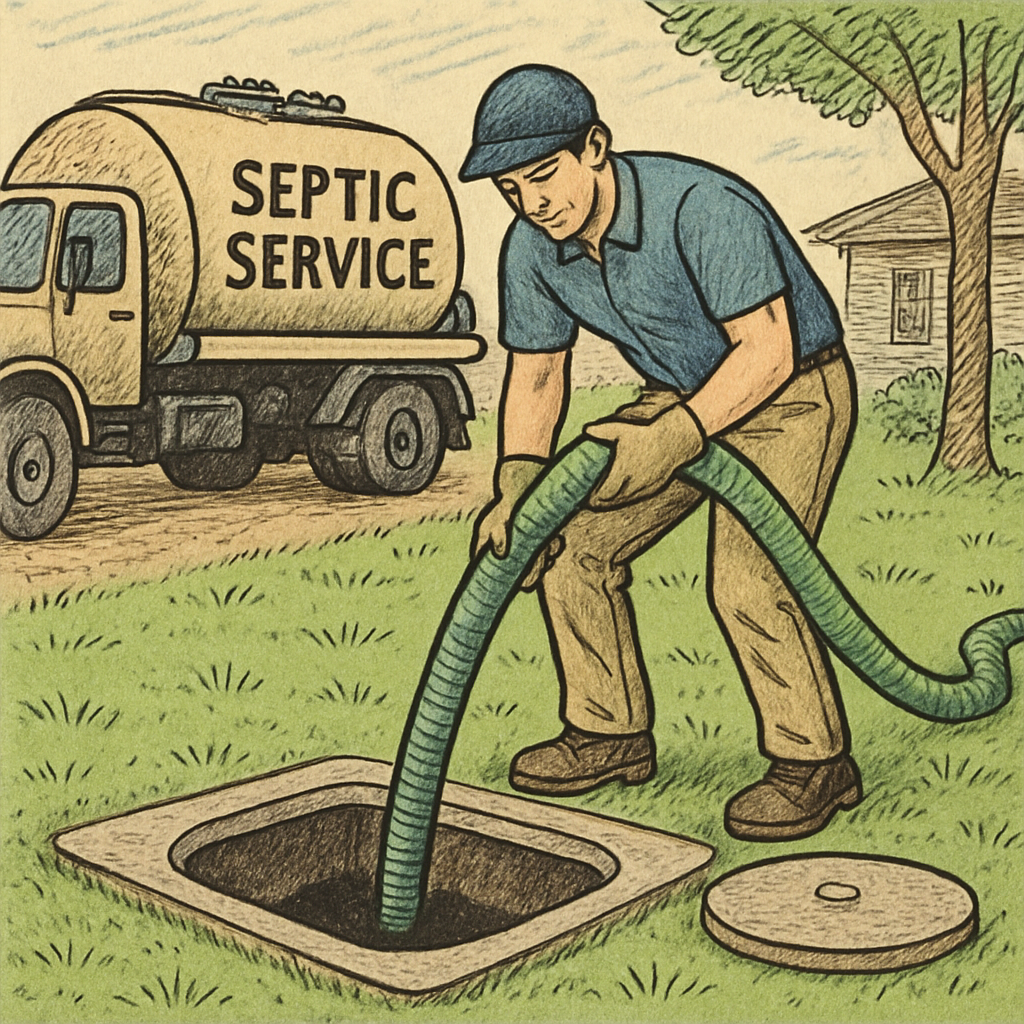
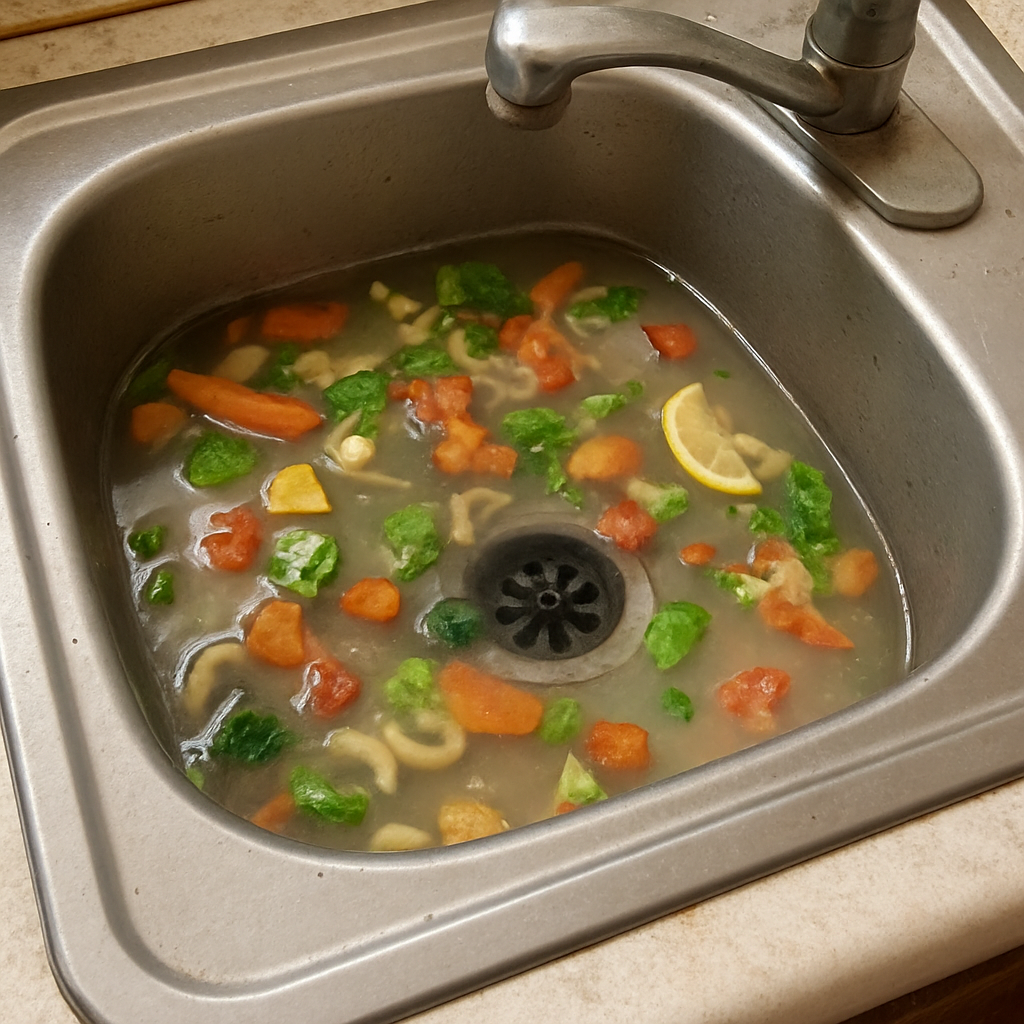
Most grease trap problems don’t start with the equipment—they start with everyday kitchen habits.
If your team isn’t handling grease properly, even the best grease traps for restaurants won’t perform the way they should. Small, daily habits can slowly build into bigger problems like clogs, bad smells, and unexpected backups.
The good news? These are things you can fix.
This guide breaks down how kitchen habits and grease traps are connected—and what you can do right now to keep your system running smoothly.
Why Kitchen Habits Matter More Than You Think
Grease traps are built to catch fats, oils, and grease before they move into your plumbing system. They do an important job, but they’re not designed to handle everything.
What happens in your kitchen every day directly affects how well your grease trap works.
When habits aren’t consistent or controlled:
- Grease builds up faster than expected
- Food waste mixes with grease and thickens inside the trap
- You need grease trap cleaning more often
- Plumbing problems start showing up in other areas
Think of your grease trap as a filter. If too much is going into it—or the wrong things—it gets overwhelmed.
The Most Common Kitchen Habits That Cause Grease Trap Problems
A lot of grease trap issues don’t come from major mistakes. They come from small habits repeated every day.
Let’s go through the most common ones.
1. Pouring Cooking Oil Down the Sink
This is one of the biggest causes of grease trap problems.
Hot oil might look harmless when it’s liquid, but once it cools, it thickens and sticks to pipes and the inside of your grease trap.
Over time, that buildup becomes harder to remove.
What this leads to:
- Faster grease accumulation
- Reduced trap capacity
- More frequent grease trap cleaning
What to fix:
- Set clear rules for proper cooking oil disposal
- Use designated containers for used oil
- Make sure staff never pour oil into sinks or floor drains
This one change alone can significantly reduce how often your system needs service.
2. Skipping the Scrape Before Washing
It’s easy to rush through dishwashing during busy hours. But skipping that quick scrape step can create long-term problems.
Food scraps mixed with grease create a thick sludge that settles inside your grease trap.
What this leads to:
- Faster buildup inside the trap
- Strong odors
- Reduced efficiency
What to fix:
- Make scraping plates and pans part of your standard process
- Keep bins close to prep and wash stations
- Train staff to treat this as a required step, not optional
It’s a simple habit, but it makes a big difference.
3. Using Hot Water to “Flush” Grease
This is a common misunderstanding in many kitchens.
Hot water doesn’t remove grease—it just moves it.
At first, it seems like the grease is gone. But once the water cools, the grease solidifies again further down the system.
What this leads to:
- Hidden buildup in pipes
- Overloaded grease traps
- Sudden clogs later on
What to fix:
- Avoid relying on hot water to deal with grease
- Focus on stopping grease before it enters the drain
Prevention is always better than trying to flush it away.
4. Overusing Chemicals and Degreasers
Some kitchens rely heavily on cleaning chemicals to break down grease. While these products can help with surface cleaning, they don’t solve the real problem.
In some cases, they make it worse.
What this leads to:
- Grease bypassing the trap
- Buildup further down the plumbing system
- Possible damage to pipes or components
What to fix:
- Use approved cleaning products only
- Avoid relying on chemicals as a shortcut
- Combine cleaning with proper grease control habits
The goal is to remove grease properly—not just move it somewhere else.
5. No Clear System for Cooking Oil Disposal
Even if your team knows not to pour oil down the drain, problems can still happen if there’s no clear process in place.
When staff are unsure where to put used oil, it often ends up in the wrong place.
What this leads to:
- Inconsistent handling of grease
- Increased strain on grease traps
- Messy or unsafe work areas
What to fix:
- Set up designated oil disposal containers
- Label them clearly
- Make sure all staff know exactly where oil should go
Good systems make good habits easier to follow.
6. Ignoring Early Warning Signs
Grease trap issues rarely happen overnight. There are usually signs that something isn’t right.
The problem is, these signs often get ignored until they turn into bigger issues.
Common signs:
- Slow drains
- Gurgling sounds
- Mild but persistent odors
What this leads to:
- Emergency service calls
- Disruptions during busy hours
- Higher repair costs
What to fix:
- Pay attention to small changes in performance
- Address issues early
- Schedule grease trap cleaning before problems escalate
Catching issues early is always easier—and cheaper—than fixing them later.
How Kitchen Habits Affect Your Grease Trap Cleaning Schedule
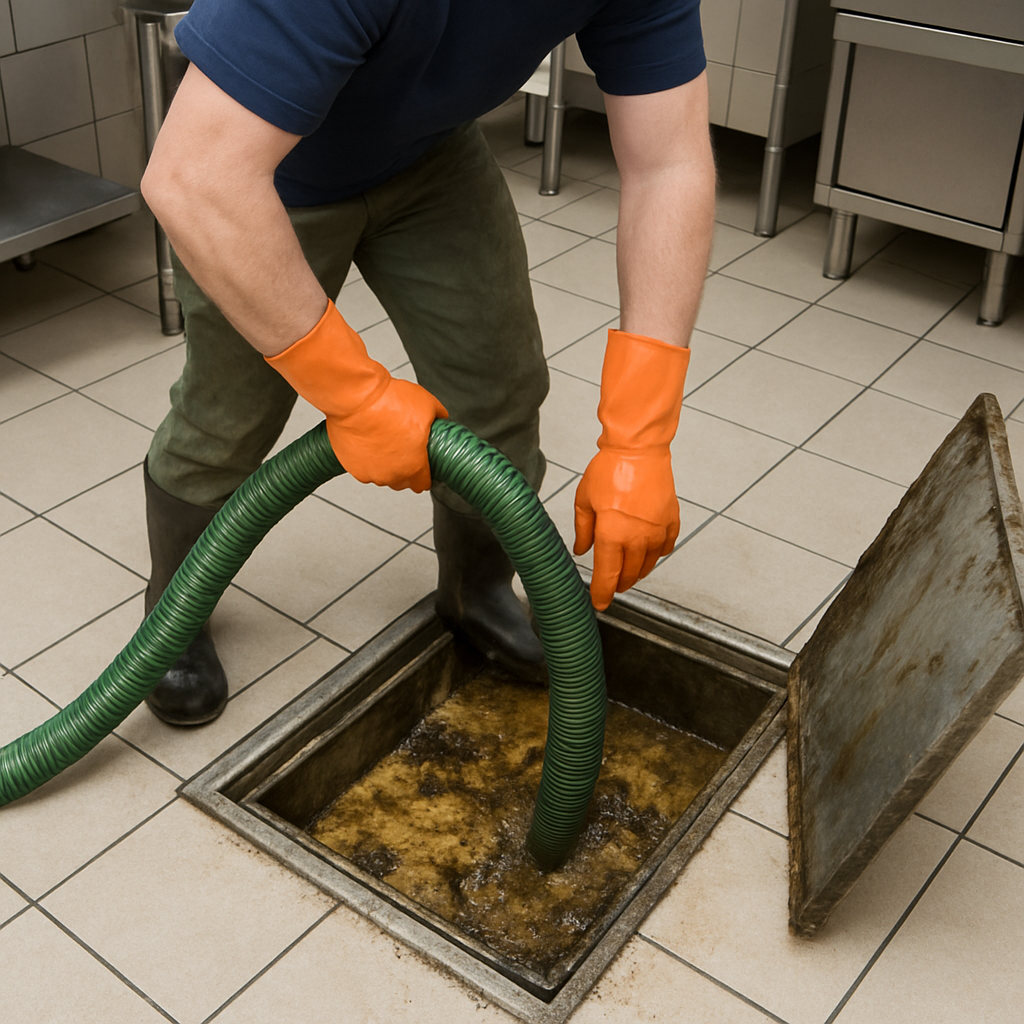
Your cleaning schedule isn’t just based on time—it’s based on usage and habits.
If your kitchen follows good practices:
- Grease builds up more slowly
- The system runs efficiently
- Cleaning can stay on a predictable schedule
If habits are inconsistent:
- Grease accumulates quickly
- Traps fill faster than expected
- You need more frequent service
In other words, your team’s daily routine directly affects how often you need grease trap cleaning.
Simple Habits That Keep Grease Traps Working Better
You don’t need a complete overhaul to improve your system. A few consistent habits can make a big difference.
Train Your Team Properly
Make sure everyone understands:
- Why grease traps matter
- How their actions affect the system
Keep instructions simple and repeat them regularly.
Make Cooking Oil Disposal Easy
Don’t make staff guess.
- Provide clear containers
- Place them where they’re easy to access
- Keep the process simple and consistent
When cooking oil disposal is easy, people are more likely to do it right.
Build Daily Kitchen Routines
Small habits add up.
- Scrape before washing
- Wipe down greasy surfaces
- Keep drains clear of solids
Consistency is what keeps your system running smoothly.
Stick to Regular Maintenance
Even with the best habits, grease traps still need attention.
Routine grease trap cleaning helps:
- Prevent buildup
- Maintain performance
- Avoid unexpected issues
Think of it as part of your kitchen’s normal operation—not just a fix when something goes wrong.
Why This Matters for Your Restaurant
Grease trap problems don’t just stay in the plumbing.
They affect your entire operation.
When things go wrong, it can lead to:
- Kitchen downtime
- Unpleasant odors in dining areas
- Failed inspections
- Higher operating costs
On the other hand, well-maintained grease traps for restaurants help everything run more smoothly.
Final Thoughts
Most grease trap issues are preventable.
They come down to how grease is handled day in and day out.
By improving kitchen habits and grease traps management, you can:
- Reduce how often you need cleaning
- Avoid major plumbing problems
- Keep your kitchen running without interruptions
Small changes in daily routines can lead to big improvements over time.
Need Help With Grease Trap Maintenance?
If your restaurant is dealing with frequent issues or you’re not sure if your current setup is working as it should, it may be time to get a professional look at your system.
Crews Septic Solutions helps restaurant owners stay ahead of grease problems with:
- Routine grease trap cleaning
- Maintenance plans based on your kitchen’s needs
- Fast response for urgent issues
If you want to keep your kitchen running smoothly and avoid unexpected problems, you can reach out directly.
Call 239.694.1067 or email crewsseptic@yahoo.com to schedule a service or ask questions about your grease trap system.
Keeping your grease trap in good shape starts with the right habits, and the right support when you need it.