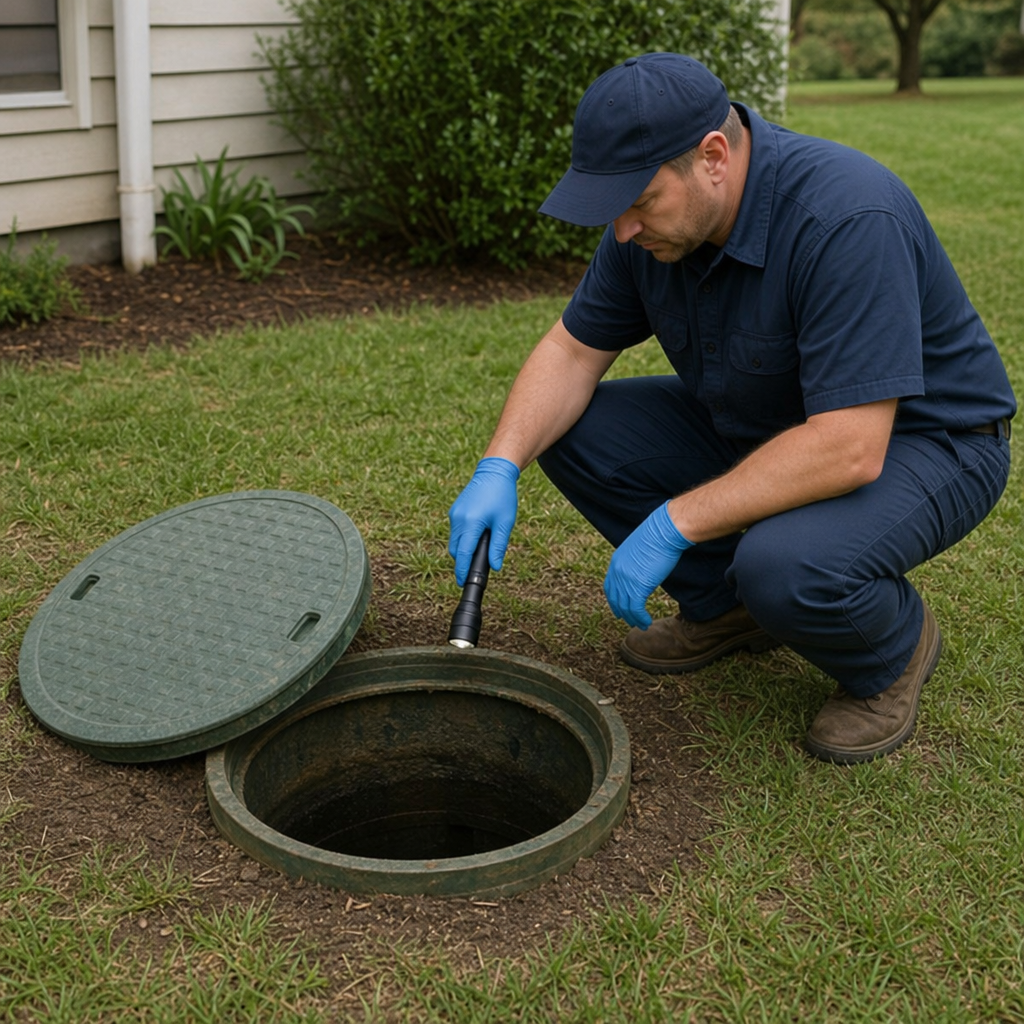
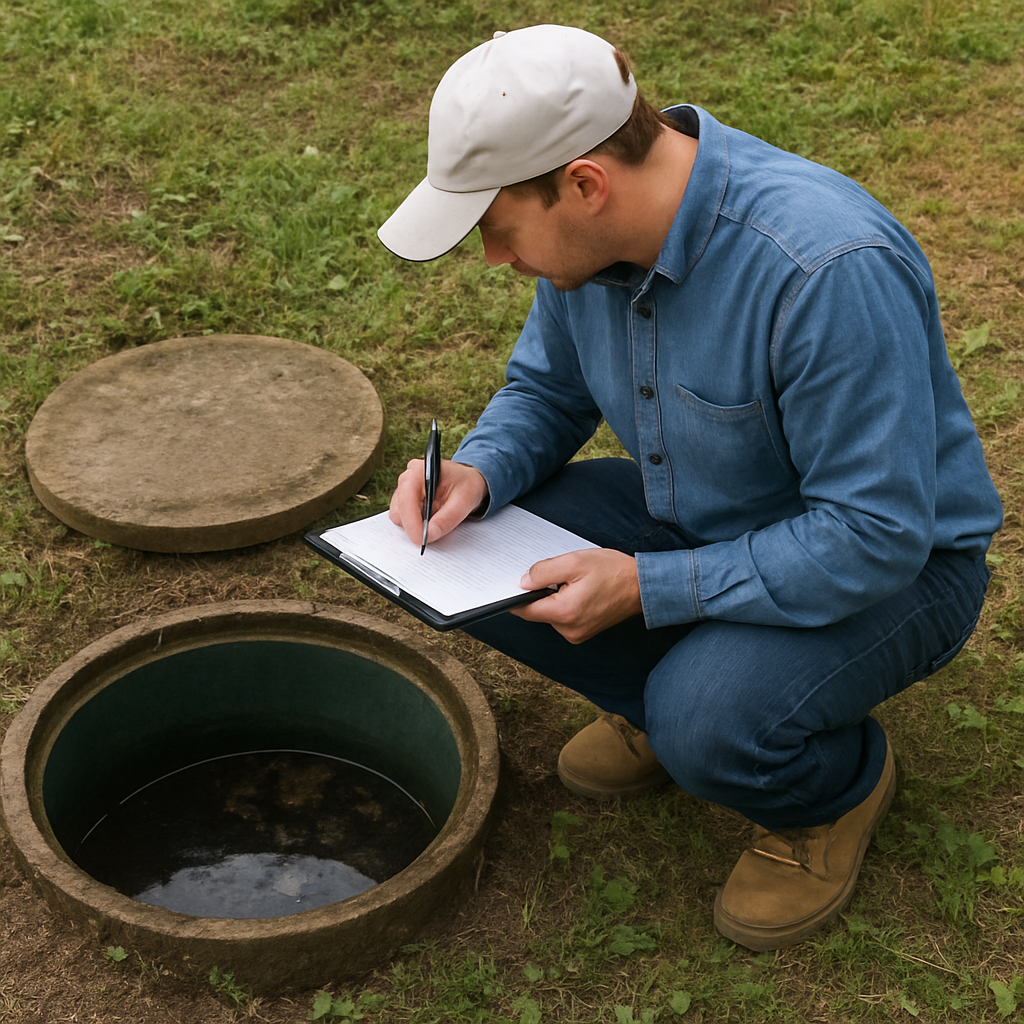
A full septic inspection typically takes between one and four hours, depending on your system’s size, age, and condition. For most Florida homes, the average septic inspection time is about 60 to 90 minutes, but larger or more complex systems can take longer. Understanding the full inspection time frame helps homeowners plan ahead and know what to expect during each step of the process.
At Crews Septic Solutions, we believe knowledge is key to proper maintenance. Below, we’ll explain what affects your septic inspection duration, what happens during an inspection, and how to prepare for it.
Why Septic Inspections Are Important
Your septic system works quietly underground to process wastewater. Without routine inspections, small issues can go unnoticed—until they become expensive repairs. A septic inspection ensures:
- Proper functioning of the tank and drain field
- Early detection of leaks, blockages, or corrosion
- Compliance with Florida septic maintenance rules
- Prevention of groundwater contamination
Whether you’re a homeowner, property manager, or real estate buyer, understanding how long a septic inspection takes helps you make better maintenance decisions and stay on schedule.
Typical Septic Inspection Time in Florida
According to the Environmental Protection Agency (EPA), homeowners should have their septic systems inspected every 1 to 3 years. On average, most standard inspections in Florida last 1 to 2 hours for residential systems. However, this can vary based on accessibility, weather, and system design.
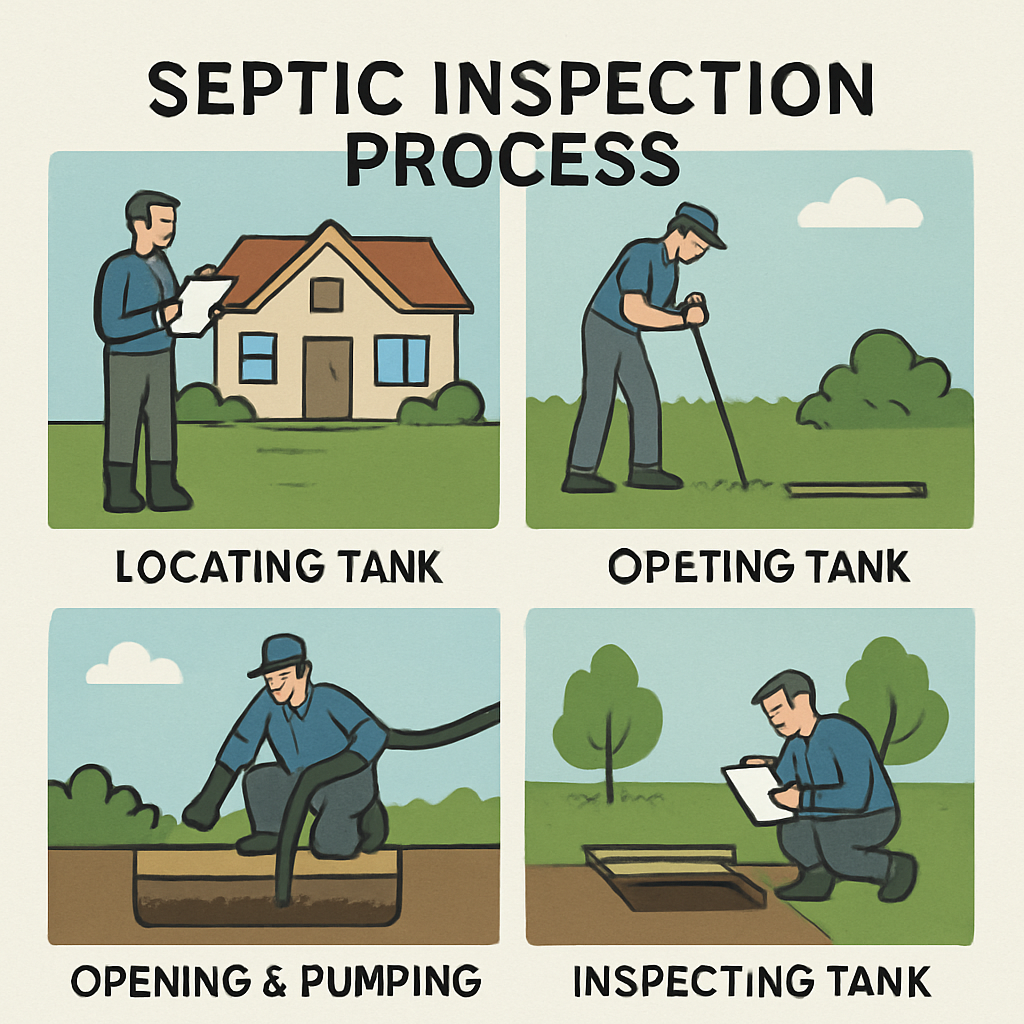
Here’s a quick breakdown of the septic inspection duration under different circumstances:
| Type of System / Scenario | Typical Duration | Notes |
| Standard single-family home | 1–2 hours | Easy access, routine check |
| Large or complex property | 2–3 hours | Multiple tanks or drain fields |
| Advanced or performance-based system | 3–4 hours | Includes pumps, alarms, or filters |
| Real estate transaction inspection | 2–4 hours | Includes additional testing |
| Difficult access or buried tank | Variable | Extra time for locating components |
For most homeowners, scheduling two hours is safe to ensure the technician can complete every part of the inspection thoroughly.
Factors That Affect the Inspection Time Frame
Several variables influence how long a septic inspection takes. Understanding these factors will help you anticipate the time and cost involved.
1. System Size and Complexity
Larger systems or those with multiple tanks, lift stations, or filters naturally require more time to inspect.
2. Accessibility
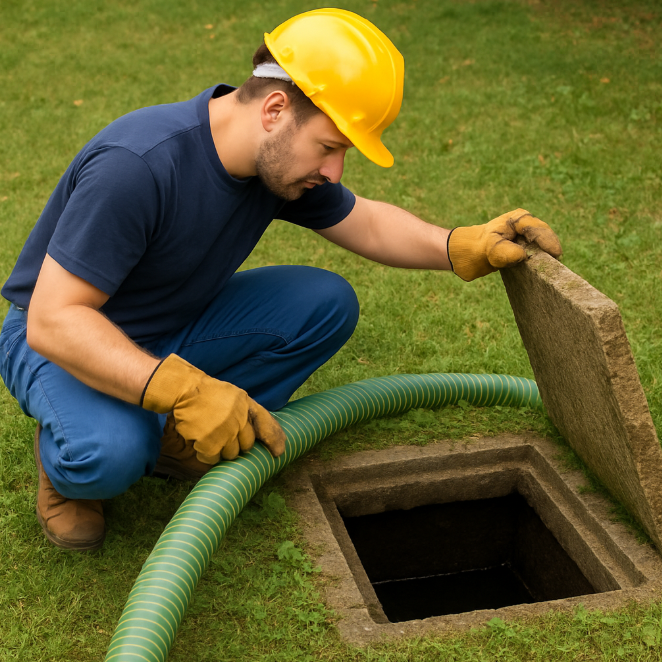
If the tank lids are buried deep or covered by landscaping, the technician will need to locate and uncover them, extending the septic inspection duration.
3. System Age and Condition
Older systems or those with previous issues may require extra evaluation or testing. Rusted components or signs of leakage take more time to assess safely.
4. Environmental Conditions
Heavy rain, high groundwater, or flooded soil can make locating and testing your drain field more difficult, lengthening the inspection time.
5. Required Testing
If your inspection includes dye or load tests (often required for property sales), this can add 30 minutes to an hour to the inspection time frame.
Step-by-Step: What Happens During a Septic Inspection
To understand why inspections take time, here’s what your technician will typically do during a visit from Crews Septic Solutions.
Step 1: Preparation and Record Review
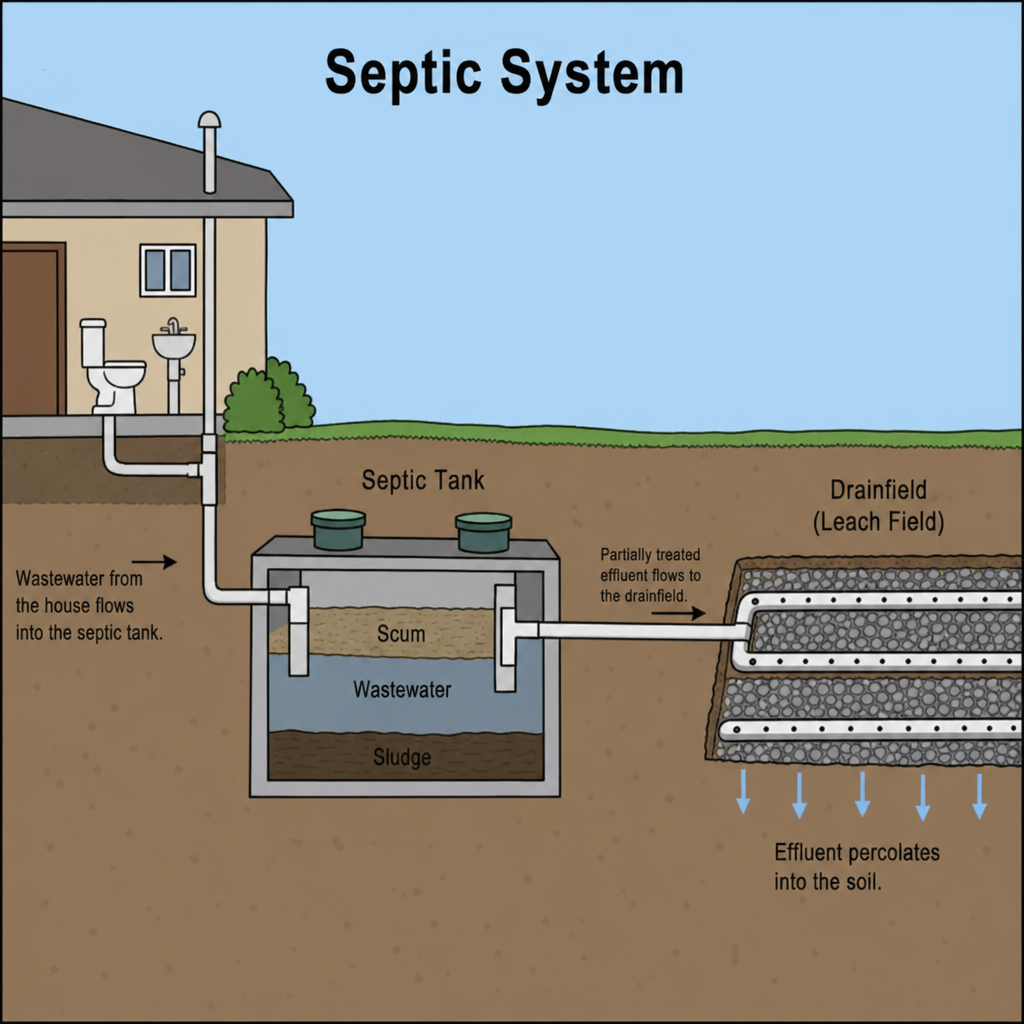
Before starting, the inspector reviews property records, past maintenance logs, and any available septic system diagrams. This step helps locate system components quickly and understand previous service history.
Step 2: Locating the Septic Tank and System Components
The technician uses specialized equipment to locate the tank, distribution box, and drain field. If your tank lids are buried, they’ll dig small access points to uncover them safely.
Step 3: Visual and Structural Inspection
The inspector examines the tank’s exterior for cracks, corrosion, or leaks. They’ll also look for standing water or signs of effluent surfacing on the ground—an early warning sign of system failure.
Step 4: Measuring Sludge and Scum Levels
Using a probe or measuring stick, the inspector checks the buildup of solids in your tank. If the sludge and scum occupy more than one-third of the tank’s volume, it’s time to schedule septic tank cleaning.
Step 5: Inspecting Baffles and Filters
Baffles and filters control wastewater flow and keep solids inside the tank. The technician checks their integrity to prevent future clogs or overflows.
Step 6: Evaluating the Drain Field
The drain field is where treated wastewater filters through soil. The inspector ensures it’s absorbing properly and that there’s no pooling or backup.
Step 7: Checking Pumps and Alarms (if applicable)
For systems with lift stations, aerators, or alarms, these components are tested to confirm they’re operating correctly.
Step 8: Reporting Findings
After all checks are complete, the technician documents results, provides maintenance recommendations, and discusses any issues needing immediate attention.
How to Prepare for a Septic Inspection
Being prepared helps your inspection go smoothly and reduces total septic inspection time. Here’s what you can do:
- Locate records and maps of your septic system before the appointment.
- Clear access to lids and risers by removing debris or overgrown vegetation.
- Avoid running large water loads (like laundry) during inspection time.
- Inform the technician of any known problems or previous repairs.
- Stay available in case the inspector needs to run water or access plumbing fixtures.
These small steps save time and allow for a faster, more accurate inspection.
How Often Should You Schedule an Inspection?
While this article focuses on how long a septic inspection takes, timing between inspections is equally important. The EPA recommends inspections every 1–3 years for standard systems, while advanced or performance-based systems may require semiannual checks.
Regular inspections help you catch issues early and extend your system’s lifespan. Florida’s warm climate and frequent rain make consistent maintenance even more important to prevent drain field saturation.
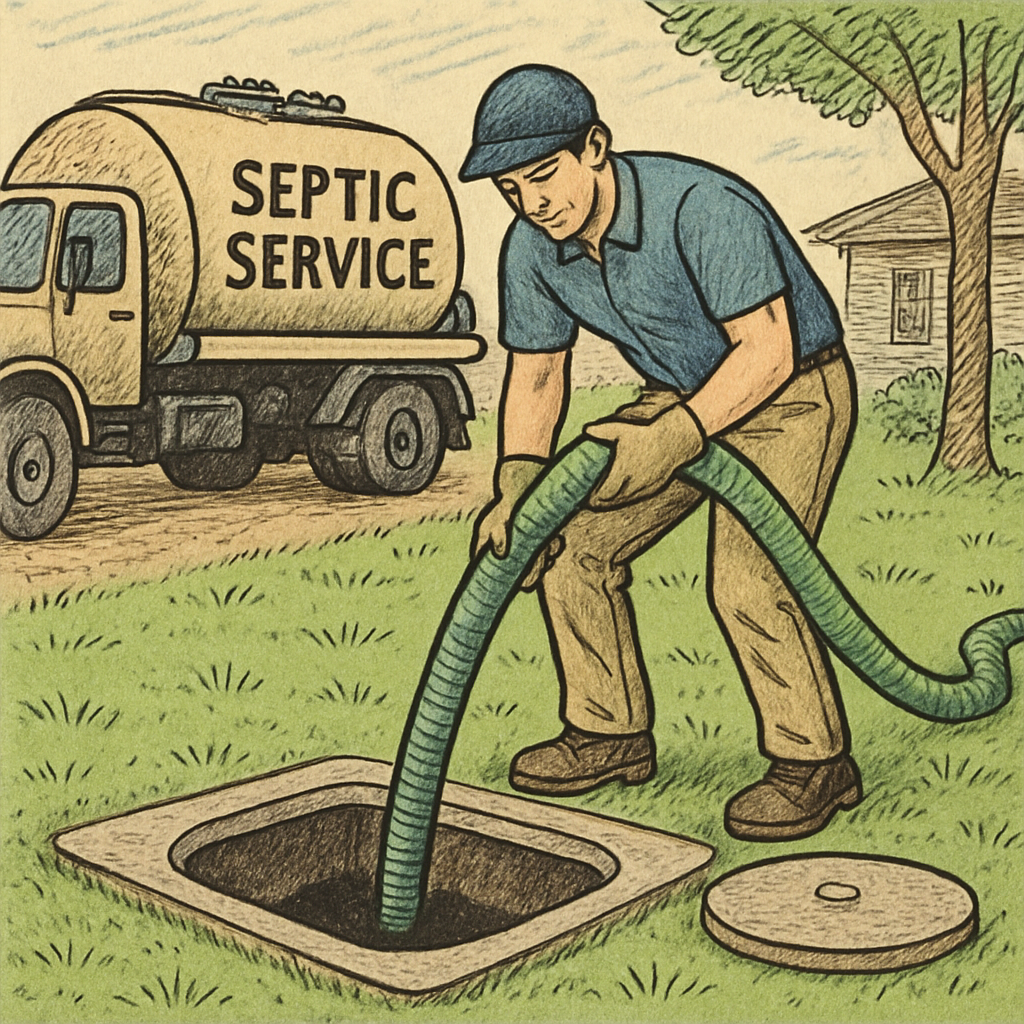
If the technician determines your tank is full, a septic pump-out can often be scheduled during or immediately after the inspection.
What Can Delay a Septic Inspection?
Sometimes, inspections take longer than expected due to unforeseen challenges. Common causes include:
- Hidden or buried lids that require excavation
- Tree root intrusion damaging pipes or tanks
- Weather conditions (heavy rain, flooding)
- Complex systems with multiple chambers or mechanical parts
- System damage or safety hazards discovered mid-inspection
If your inspector encounters one of these issues, it’s normal for the total septic inspection duration to extend by an hour or more.
What You Receive After the Inspection
When the inspection is complete, you’ll receive a written report detailing:
- The overall condition of your septic system
- Measurements of sludge and scum layers
- Drain field performance and absorption rate
- Recommendations for repairs or pumping
- Estimated inspection time frame for future visits
This documentation is essential for property owners, especially if you plan to sell your home or apply for permits later.
Benefits of Regular Septic Inspections
Routine inspections offer long-term protection for both your property and wallet. Benefits include:
- Preventing costly drain field failures
- Extending your system’s lifespan by years
- Improving household water efficiency
- Complying with Florida environmental regulations
- Protecting local groundwater and ecosystems
For property owners across Southwest Florida, partnering with professionals like Crews Septic Solutions ensures peace of mind and compliance with all state septic maintenance guidelines.
Why Choose Crews Septic Solutions
With more than 40 years of experience, Crews Septic Solutions provides comprehensive services across Fort Myers, Lehigh Acres, and nearby areas. Our team is fully equipped to perform inspections, repairs, and full septic system maintenance.
We offer:
- Certified septic inspections for residential and commercial systems
- Reliable septic tank cleaning and pump-out services
- Lift station maintenance and grease trap services
- 24/7 emergency assistance when problems arise
Whether you’re scheduling an inspection or need urgent service, our experienced technicians will guide you through every step and ensure your system stays in top condition.
To schedule your next service, call us now.
Key Takeaways About Septic Inspection Time
- The average septic inspection time ranges from 1 to 4 hours, depending on system complexity.
- Inspections involve several steps—locating, measuring, inspecting, testing, and reporting.
- Proper preparation helps shorten your inspection time frame.
- Regular inspections every 1–3 years keep your system safe and compliant.
- Hire a certified professional for accurate results and peace of mind.
Conclusion
If you’re wondering how long does a septic inspection take or when to schedule your next service, our team is here to help. At Crews Septic Solutions, we provide honest, detailed, and efficient inspections that ensure your septic system performs at its best.
For expert service, call 239.694.1067 or email crewsseptic@yahoo.com. We proudly serve homeowners and businesses throughout Southwest Florida with quality care, dependable service, and decades of experience.