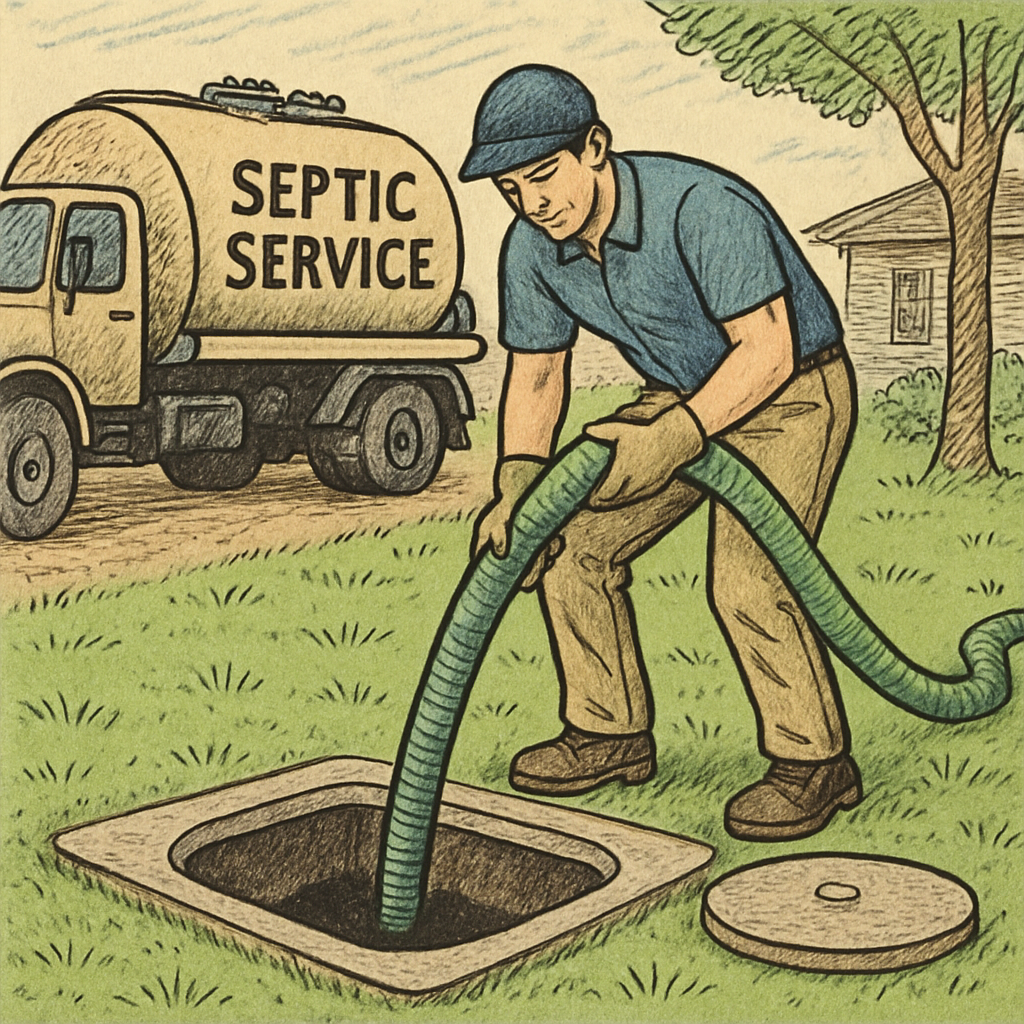
In Florida, a typical septic tank should be inspected every 1 to 3 years and pumped every 3 to 5 years. However, factors such as household size, water usage, tank capacity, and system design can affect this schedule. Following the state’s maintenance rules and working with a licensed provider like Crews Septic Solutions ensures your system stays compliant, efficient, and problem-free.
Why Septic Tank Maintenance Matters in Florida
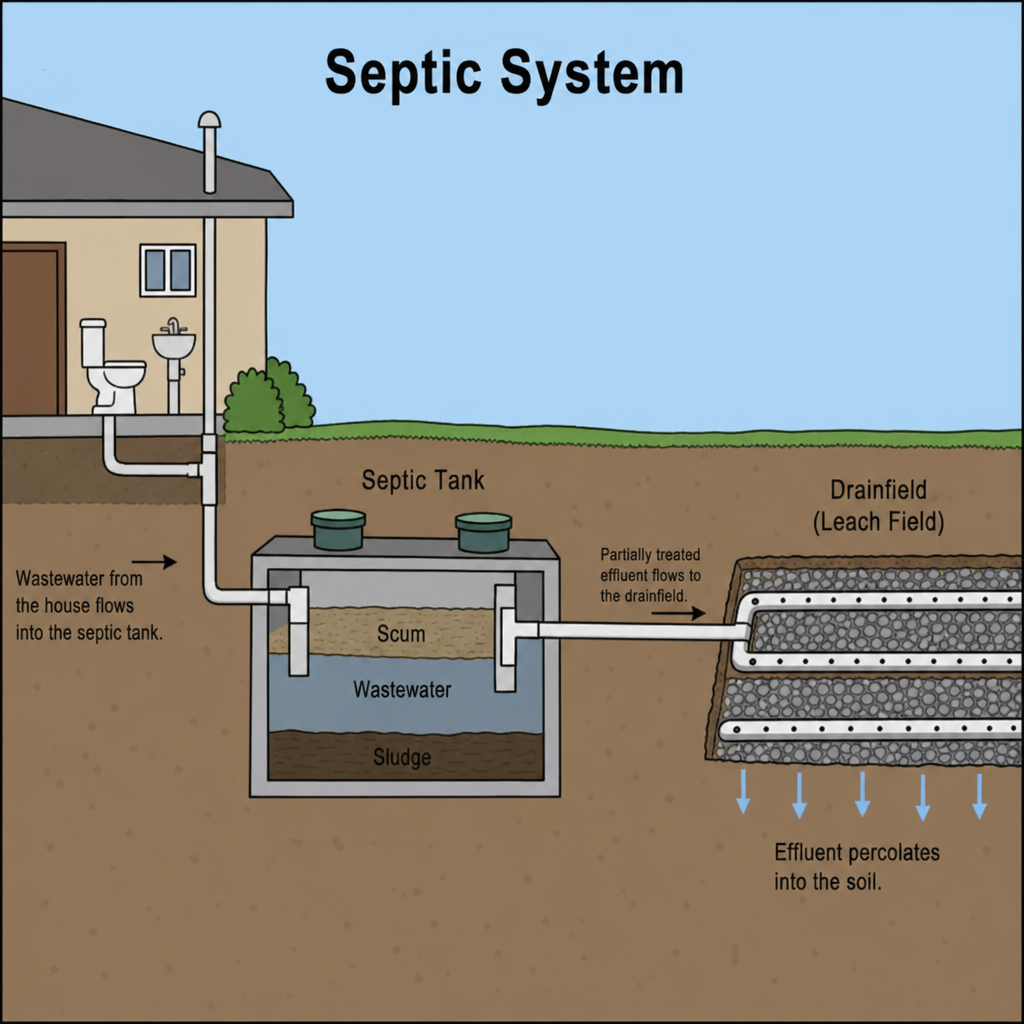
Septic systems are vital for thousands of Florida homes and businesses. They manage wastewater efficiently—when they’re properly maintained. But when neglected, they can leak, overflow, or contaminate groundwater.
Routine septic tank servicing Florida helps prevent these issues, protects your property, and ensures compliance with the Florida Department of Environmental Protection (DEP) and Florida Department of Health (DOH) guidelines.
Neglecting septic tank maintenance can result in:
- Expensive drain field replacements
- Property damage or sewage backups
- Fines or code violations
- Groundwater contamination
That’s why the question — how often should a septic tank be serviced — is not just practical but essential for every Florida property owner.
Florida’s Septic Maintenance Rules Explained
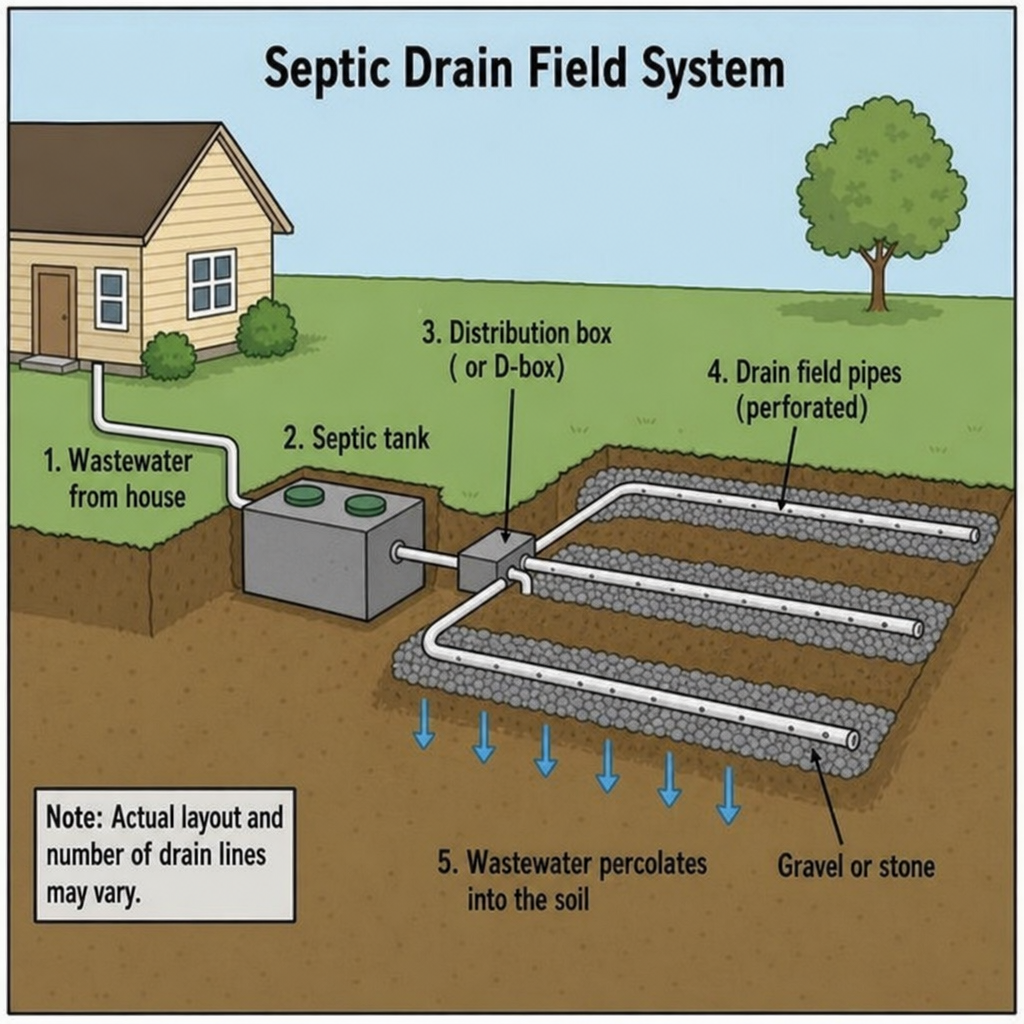
Florida’s septic regulations are detailed in Chapter 62-6 of the Florida Administrative Code and Florida Statute 381.00651. These rules outline the design, installation, operation, and maintenance of onsite sewage treatment and disposal systems (OSTDS).
Here’s a breakdown of what Florida’s rules mean for property owners:
- Inspection requirements: All septic systems must be installed and maintained in accordance with local health department permits and state guidelines.
- Performance-based systems: Advanced or engineered systems must have a maintenance agreement with a licensed contractor and are often inspected twice a year.
- Recordkeeping: Homeowners are responsible for maintaining records of all inspections, cleanings, and repairs.
In 2020, the Clean Waterways Act transferred septic system oversight to the DEP to better protect Florida’s water quality. While local health departments still manage permits and inspections, the DEP oversees long-term environmental safety and compliance.
How Often Should a Septic Tank Be Serviced in Florida?
The Environmental Protection Agency (EPA) recommends that septic tanks be inspected every 1 to 3 years and pumped every 3 to 5 years. In Florida, this timeline is widely accepted among septic professionals, though environmental factors and system usage may shift that schedule.
Here’s a general guide:
| System Type / Usage | Inspection Frequency | Pump-Out Frequency |
| Single-family home (3–4 occupants) | Every 1–3 years | Every 3–5 years |
| Large household (5+ occupants) | Every 1–2 years | Every 2–3 years |
| Seasonal / vacation home | Every 2–3 years | Up to 5 years |
| Performance-based / advanced system | Twice per year | As required by contract |
For most Florida households, the 3-to-5-year rule for septic tank cleaning is safe and effective. However, you should schedule inspections more frequently if you notice warning signs such as slow drains, gurgling toilets, or foul odors around your yard.
For expert advice or to schedule a professional service, call Crews Septic Solutions now.
Factors That Affect How Often You Should Service a Septic Tank
Not all septic systems are used the same way. Below are the most common factors that affect how often a septic tank should be serviced in Florida.
1. Household Size and Water Use
More people means more wastewater entering the system. Homes with large families or frequent guests may need septic tank cleaning every 2–3 years.
2. Tank Capacity
Larger tanks can hold more solids and may go longer between cleanings, while smaller tanks fill faster and require more frequent service.
3. Water Consumption Habits
High water use — such as long showers, excessive laundry, or running dishwashers daily — speeds up solid buildup. Conserving water can help extend the time between pump-outs.
4. Garbage Disposal Usage
Food waste adds extra solids that your system must process. If you use a garbage disposal often, you’ll likely need septic tank servicing more frequently.
5. Soil and Drain Field Conditions
Florida’s sandy soil and high water tables can make drain fields more sensitive. Regular inspections help prevent issues like saturated drain fields or effluent pooling.
6. System Type and Age
Older or advanced systems with pumps, alarms, or filters require more frequent maintenance and inspections to stay compliant.
Signs It’s Time for Septic Tank Cleaning
Even if your system isn’t yet due for a scheduled service, you should call a professional immediately if you notice:
- Slow drains or gurgling sounds in pipes
- Sewage odors inside or outside your home
- Standing water near your drain field or tank lid
- Bright green or soggy patches of grass near the system
- Frequent backups despite using drain cleaners or plungers
These signs often mean your tank is full or your system is starting to fail. The sooner you address them, the more likely you’ll avoid costly repairs or replacements.
What Happens During a Septic Tank Service or Pump-Out?
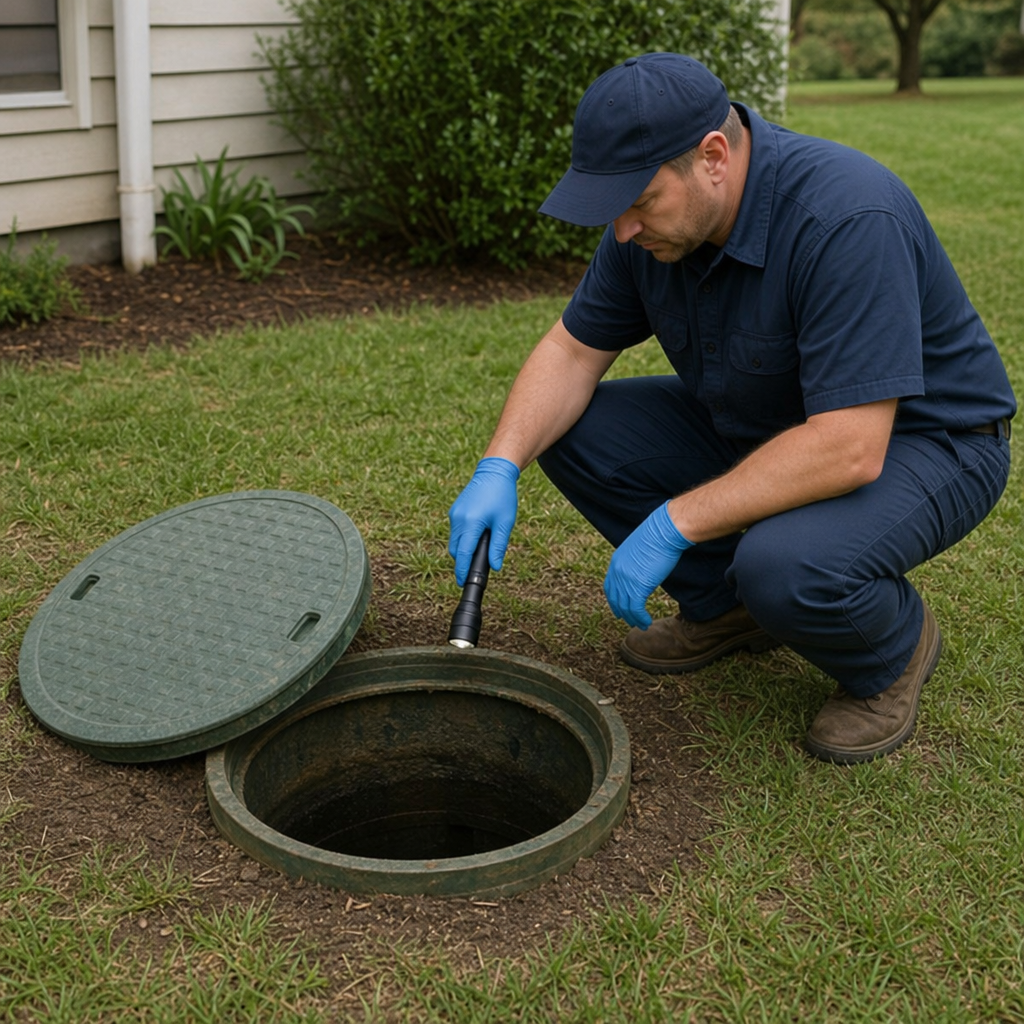
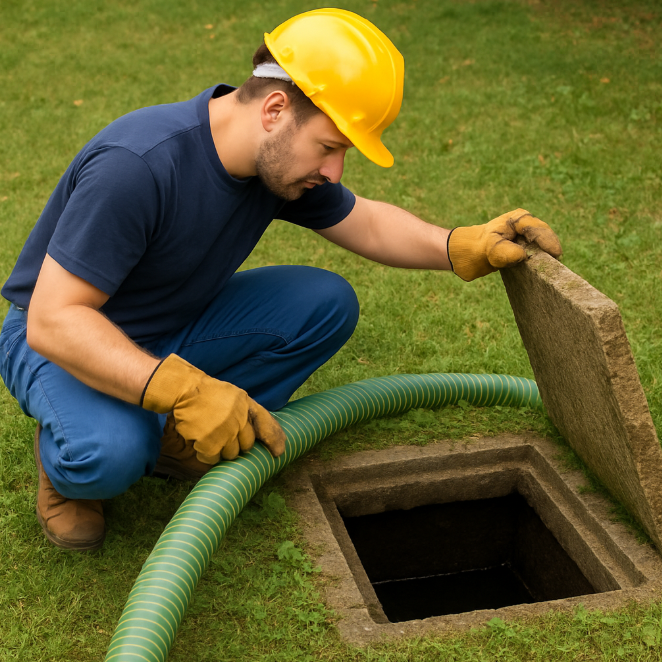
Understanding the process can help homeowners see the value of professional care. During a septic tank servicing, the technician will typically:
- Locate and uncover the tank to access the lids safely.
- Inspect the condition of the tank, baffles, filters, and inlet/outlet pipes.
- Measure sludge and scum levels to determine how full the tank is.
- Pump out solids using a vacuum truck for safe disposal.
- Flush filters and clean baffles to ensure smooth wastewater flow.
- Check the drain field for signs of flooding, clogs, or leaks.
- Document findings and provide maintenance recommendations.
A proper septic tank cleaning does more than remove waste — it helps identify early warning signs and extends your system’s lifespan.
Benefits of Regular Septic Tank Maintenance
Routine septic tank maintenance offers several long-term benefits:
- Prevents costly failures: Regular servicing keeps your drain field functioning and avoids expensive replacements.
- Extends lifespan: Well-maintained systems can last 40 years or more.
- Improves efficiency: Cleaning prevents blockages and ensures smooth wastewater treatment.
- Protects the environment: Reduces contamination risks to Florida’s groundwater and wetlands.
- Complies with state rules: Ensures your system meets DEP and county health department regulations.
Neglecting these tasks, however, can quickly lead to system overload, sewage backups, and expensive emergency calls.
Florida Homeowner Tips for Septic System Care
Follow these simple habits to reduce maintenance needs and extend your system’s life:
- Schedule inspections at least every 1–3 years.
- Pump the tank before it becomes two-thirds full.
- Keep a maintenance log of all inspections and cleanings.
- Avoid flushing wipes, grease, or chemicals.
- Use water-efficient toilets and faucets.
- Divert roof and surface water away from the drain field.
- Don’t drive or park over your septic area.
- Plant only shallow-rooted grass over the drain field.
These best practices will help your system perform better and reduce the frequency of unexpected repairs.
How Crews Septic Solutions Helps Florida Property Owners
At Crews Septic Solutions, we’ve been serving Southwest Florida homeowners and businesses for over 40 years. Our team provides complete septic services, including:
- Septic tank inspections and maintenance
- System repairs and replacements
- Grease trap services
- Lift station maintenance
- 24/7 emergency response
Whether you need a one-time cleaning or ongoing maintenance, we make it easy to stay compliant with Florida’s septic system requirements.
For fast and professional service, call us today to schedule an appointment.
Final Thoughts
How often should a septic tank be serviced depends on how you use your system, but in most Florida homes, every 3 to 5 years is ideal. Inspections should be scheduled more frequently, especially in areas with high groundwater or heavy rainfall.
If you want to keep your system running smoothly and compliant with state guidelines, schedule your next septic tank servicing with the experts at Crews Septic Solutions.
Contact us today at 239.694.1067 or email us at crewsseptic@yahoo.com.