One of the most common questions homeowners ask is, “how often to empty a septic tank?” The answer is not always the same for every property. While many people have heard that septic tanks should be pumped every three to five years, the ideal schedule depends on several factors, including the number of people living in the home.
Every time someone flushes a toilet, washes dishes, does laundry, or takes a shower, wastewater enters the septic system. The more people using the system, the faster solid waste accumulates inside the tank. Without regular pumping and proper septic tank maintenance, sludge can build up until it begins affecting the performance of the entire system.
Understanding how household size influences pumping schedules can help you avoid expensive repairs, improve wastewater management, and extend the life of your septic system.
Why Septic Tanks Need to Be Emptied
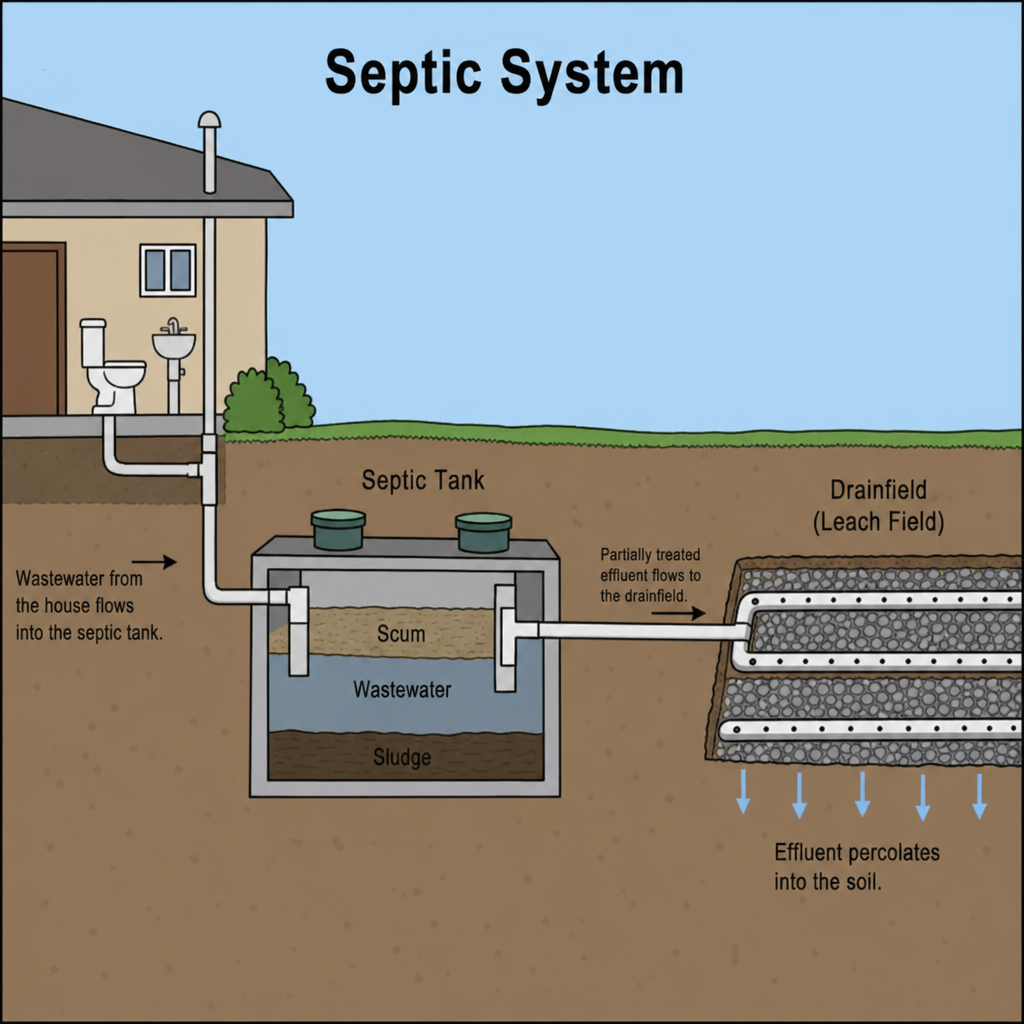
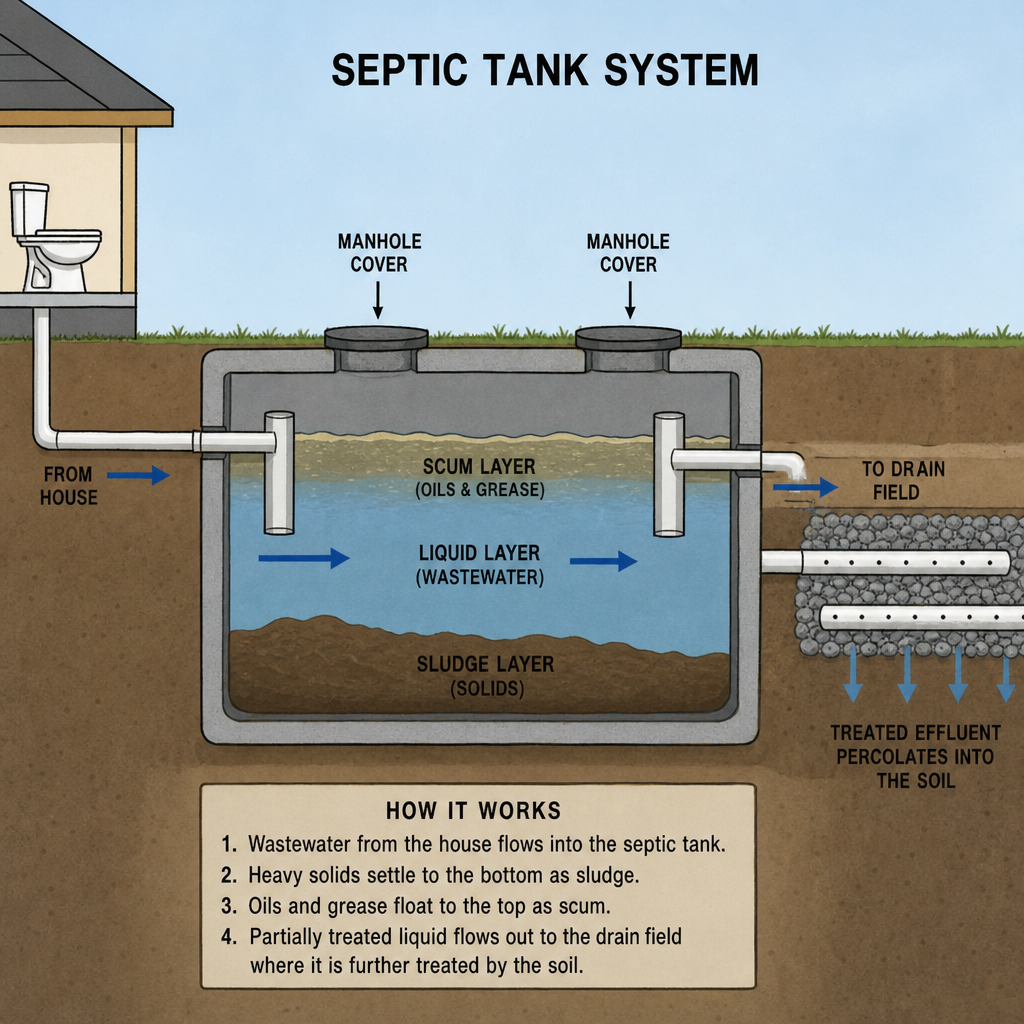
A septic tank is designed to separate wastewater into three layers.
- Heavy solids settle at the bottom as sludge.
- Oils and grease float to the surface.
- Liquid wastewater flows to the drain field for final treatment.
As the sludge layer gradually increases, there is less room inside the tank to properly separate wastewater. Eventually, solid waste can begin entering the drain field, leading to clogs, backups, and costly damage.
Routine pumping removes accumulated sludge before it creates these problems, making it one of the most important parts of septic system care.
Why Household Size Matters
The amount of wastewater your septic system processes each day directly affects how quickly the tank fills.
A home with two residents naturally generates much less wastewater than a household of six or seven people. More occupants mean:
- More toilet flushing
- More showers
- More laundry
- More dishwashing
- More daily water usage
As water usage increases, sludge accumulates more quickly, requiring more frequent septic pumping.
That is why household size is one of the biggest factors when determining how often to empty septic tank systems.
General Pumping Guidelines by Household Size
Although every property is different, these general recommendations provide a helpful starting point.
One to Two People
Smaller households usually produce less wastewater, allowing the septic tank to fill more slowly.
Under normal conditions, pumping every four to five years may be appropriate, depending on tank size and water usage.
Three to Four People
This is one of the most common household sizes.
Most homes with three or four occupants benefit from pumping approximately every three to four years, although larger tanks may allow for slightly longer intervals.
Five to Six People
Larger families place significantly greater demand on the septic system.
Pumping every two to three years often helps prevent sludge buildup before it reaches problematic levels.
Seven or More People
Large households usually require the most frequent maintenance.
Depending on water usage and tank capacity, pumping may be recommended every one to two years.
These are general estimates only. Regular inspections remain the best way to determine the right schedule for your specific system.
Other Factors That Affect Pumping Frequency
Household size is important, but it is not the only consideration.
Several additional factors influence how quickly your septic tank fills.
Tank Size
Larger septic tanks hold more wastewater and solids before requiring pumping.
Smaller tanks naturally fill more quickly.
Daily Water Usage
Even homes with the same number of occupants may use very different amounts of water.
Frequent laundry, long showers, or excessive irrigation can place extra demand on the system.
Garbage Disposal Use
Garbage disposals send additional food waste into the septic tank.
This increases sludge accumulation and often requires more frequent pumping.
Older Septic Systems
Older systems may not perform as efficiently as newer ones and often benefit from more regular inspections and maintenance.
Signs Your Septic Tank May Need Pumping
Even if you are following a recommended schedule, your septic system may still show signs that it needs attention sooner.
Watch for warning signs such as:
- Slow drains throughout the home
- Toilets that flush poorly
- Gurgling sounds in plumbing
- Sewage odors indoors or outdoors
- Standing water near the drain field
- Bright green patches of grass over the septic area
These symptoms often indicate that the tank is approaching capacity or another issue is developing.
What Happens If You Wait Too Long?
Skipping routine septic tank maintenance rarely saves money.
Instead, delayed pumping often leads to larger problems that require much more expensive repairs.
Possible consequences include:
Drain Field Damage
Once sludge enters the drain field, underground pipes and surrounding soil can become clogged.
Drain field repairs are often among the most expensive septic system repairs.
Sewage Backups
An overloaded septic tank can cause wastewater to back up into sinks, tubs, and toilets.
This creates sanitation concerns as well as property damage.
Strong Odors
A full septic tank may begin producing noticeable sewage odors around the yard or inside the home.
Shorter System Lifespan
Regular pumping protects every component of the septic system.
Neglected systems often wear out much sooner than properly maintained ones.
Why Regular Inspections Matter
Many homeowners rely only on pumping schedules.
However, periodic inspections provide valuable information about the overall condition of the septic system.
A professional inspection may identify:
- High sludge levels
- Damaged baffles
- Pipe issues
- Drain field concerns
- Structural damage
- Early signs of failure
Finding these problems early helps avoid emergency repairs later.
A Simple Septic Maintenance Checklist
Following a few good habits can greatly reduce strain on your septic system between pumping appointments.
Maintenance checklist:
- Schedule routine septic inspections.
- Pump the tank at recommended intervals.
- Repair plumbing leaks promptly.
- Spread laundry loads throughout the week.
- Avoid flushing wipes, paper towels, grease, and chemicals.
- Keep heavy vehicles off the drain field.
- Monitor for slow drains or unusual odors.
This simple maintenance checklist helps improve system performance and supports long-term wastewater management.
Good Wastewater Management Starts at Home
Many homeowners do not realize how daily habits affect septic system performance.
Simple changes such as conserving water and disposing of waste properly reduce unnecessary stress on the system.
Good wastewater management benefits both your property and the surrounding environment by helping wastewater filter safely through the drain field.
The healthier the system remains, the lower the likelihood of unexpected failures.
Why Professional Septic Maintenance Is Worth It
Every septic system is unique.
Factors such as soil conditions, tank size, property layout, and water usage all influence maintenance needs.
Working with experienced professionals ensures your septic system receives care based on its actual condition rather than relying solely on estimates.
Crews Septic Solutions provides comprehensive septic services throughout Southwest Florida, including septic pumping, inspections, repairs, drain field services, installations, and ongoing maintenance agreements for residential and commercial properties.
Their experienced team can evaluate your system, recommend the ideal pumping schedule, and help you avoid costly future repairs.
Final Thoughts
If you’ve been wondering how often to empty septic tank systems, the answer depends largely on household size, water usage, tank capacity, and overall system condition. While general timelines provide a helpful guide, routine inspections remain the best way to determine the right pumping schedule for your home.
Consistent septic tank maintenance, responsible wastewater management, and following a practical maintenance checklist all work together to extend the life of your septic system while reducing the risk of expensive emergencies.
Waiting until you experience backups or foul odors often means the problem has already become much more serious.
If your septic tank is due for service or you’re unsure when it was last pumped, Crews Septic Solutions is here to help. We provide professional septic pumping, inspections, repairs, and maintenance throughout Southwest Florida. Call 239.694.1067 or email crewsseptic@yahoo.com today to schedule your septic service and keep your system operating at its best.