
Your septic system works quietly in the background every day, carrying wastewater away from your home and safely returning it to the environment. One of its most important components is the drain field. When the drain field stops functioning properly, the entire septic system can begin to fail, leading to slow drains, foul odors, standing water, and even sewage backups.
For many homeowners, hearing that they need septic drain field repair Fort Myers can be overwhelming. Questions about cost, timelines, and the repair process often follow. Fortunately, understanding what to expect can make the experience much less stressful.
In this guide, we’ll explain why drain fields fail, the warning signs to watch for, and what typically happens during a professional repair.
What Is a Septic Drain Field?
The drain field, sometimes called the leach field, is the final stage of your septic system.
After wastewater leaves the septic tank, it flows into a network of underground pipes where it slowly filters through the surrounding soil. This natural process removes contaminants before the water returns to the environment.
When the drain field becomes clogged or damaged, wastewater has nowhere to go. Instead, it begins backing up into the system or surfacing above ground.
That is why septic drain field problems should never be ignored.
Signs Your Drain Field May Need Repair
Drain field issues often develop gradually. Catching them early can prevent more extensive damage.
Some of the most common warning signs include:
- Wet or soggy areas above the drain field
- Sewage odors around your property
- Slow drains throughout the home
- Toilets that frequently back up
- Bright green grass growing over the drain field
- Standing wastewater after normal household use
These symptoms often indicate that wastewater is no longer filtering properly beneath the surface.
If you notice several of these signs together, it is time to schedule a professional septic system service.
What Causes Drain Field Failure?
Several issues can damage a septic drain field over time.
Excess Solid Waste
When septic tanks are not pumped regularly, excess sludge can flow into the drain field and clog the underground pipes.
Heavy Water Usage
Using large amounts of water in a short period can overload the system and prevent proper drainage.
Tree Root Intrusion
Roots naturally seek moisture and can grow into underground pipes, blocking wastewater flow.
Soil Compaction
Parking vehicles or placing heavy structures over the drain field compresses the soil, reducing its ability to absorb wastewater.
Aging Systems
Like any part of your home, septic systems wear out over time. Older drain fields eventually lose efficiency and may require repairs or replacement.
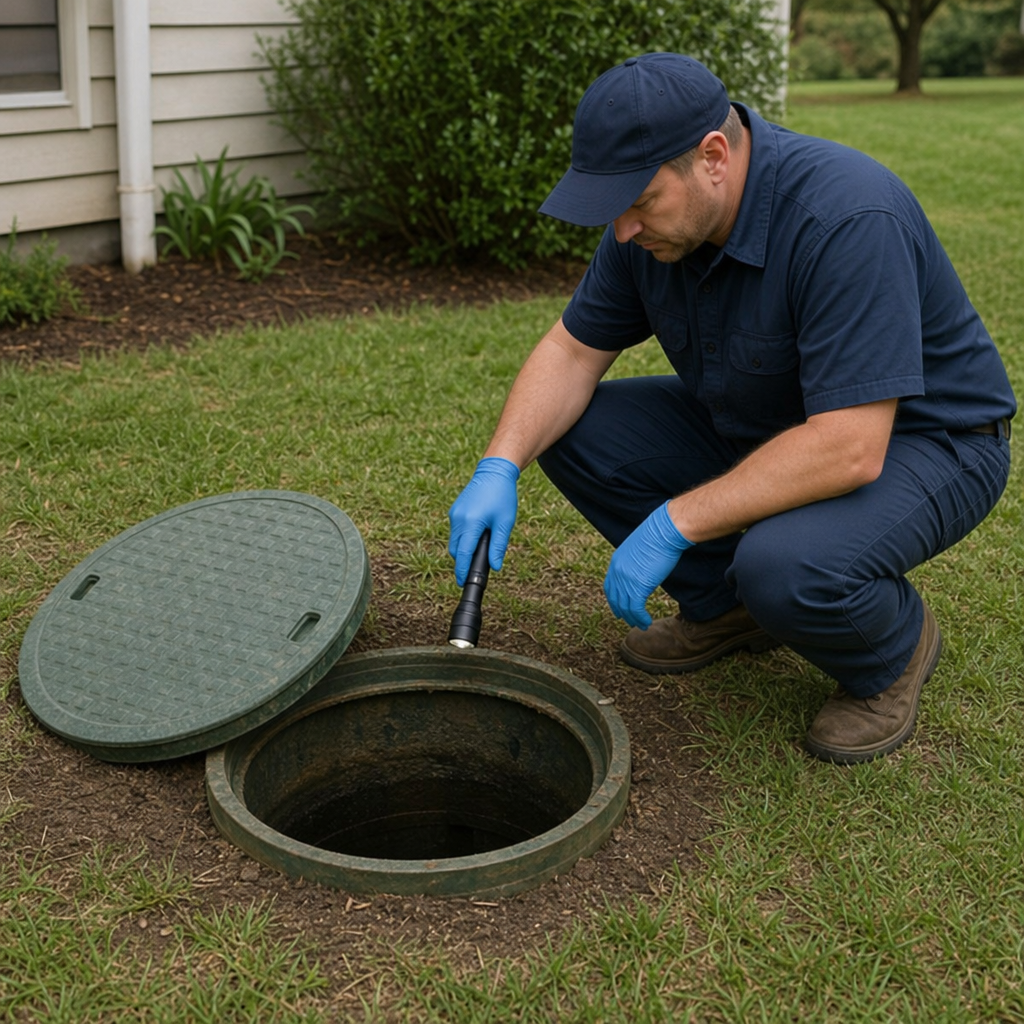
Step 1: A Complete Septic Inspection
Before any repair begins, technicians first inspect the entire septic system.
This evaluation helps determine whether the issue involves:
- The septic tank
- Distribution pipes
- Drain field
- Soil conditions
- Wastewater flow
Sometimes the symptoms appear to be a drain field problem when the actual issue is a full septic tank or damaged pipe.
A thorough inspection ensures the correct repair is recommended.
Step 2: Diagnosing the Exact Problem
Not every drain field issue requires full replacement.
Professionals evaluate several factors, including:
- The condition of underground piping
- Soil absorption
- Drain field saturation
- Tank performance
- Overall system age
This allows technicians to determine whether localized repairs can restore proper operation or if larger repairs are necessary.
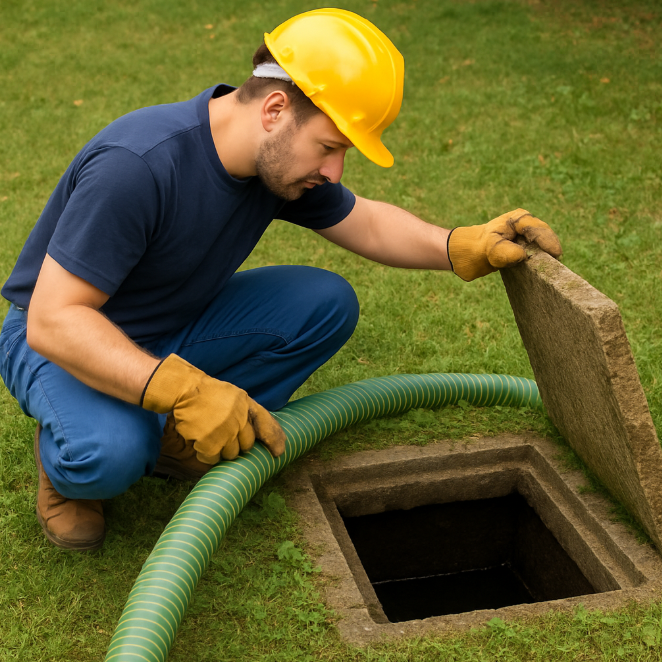
Step 3: Performing the Repair
The repair process depends on the underlying problem.
In many cases, technicians may:
- Repair damaged distribution lines
- Remove blockages
- Replace damaged components
- Restore proper wastewater flow
If only a portion of the drain field has been affected, repairs may be limited to that section rather than replacing the entire field.
Every property is different, which is why professional evaluation is so important.
Step 4: Testing the System
Once repairs are complete, the septic system is tested to ensure wastewater is flowing correctly.
Technicians verify:
- Proper drainage
- No visible leaks
- Even wastewater distribution
- Overall system performance
This final step helps confirm that the repair successfully resolved the issue.
Will the Yard Be Disturbed?
One of the biggest homeowner concerns is what the repair will do to the landscaping.
Some excavation is often necessary because much of the drain field is underground.
However, experienced septic professionals work carefully to minimize disruption whenever possible.
The amount of restoration needed depends on:
- The location of the repair
- Soil conditions
- The size of the affected area
- Equipment required
Many homeowners find that repairing the yard is far less costly than allowing the drain field failure to continue.
Can Drain Field Problems Be Prevented?
Many drain field failures are avoidable with consistent maintenance.
Simple habits can significantly reduce strain on your system.
Helpful preventative practices include:
- Schedule regular septic pumping.
- Have routine inspections performed.
- Spread out heavy water usage.
- Avoid flushing wipes, grease, and non-biodegradable items.
- Keep vehicles and heavy equipment off the drain field.
These preventative measures extend the life of both the septic tank and the drain field.
When Septic Tank Repair Is Also Necessary
Sometimes drain field problems develop because another component has already failed.
For example:
- A cracked septic tank may allow excess water into the soil.
- Damaged baffles may send solids into the drain field.
- Broken pipes can restrict wastewater flow.
In these situations, septic tank repair may be necessary alongside drain field repairs to prevent future failures.
Addressing only one part of the system may leave the underlying problem unresolved.
Why Professional Septic System Service Matters
Drain field repairs require specialized knowledge and equipment.
Experienced septic professionals understand:
- Local soil conditions
- Florida groundwater challenges
- Proper wastewater flow
- State septic regulations
- Long-term maintenance strategies
Attempting temporary fixes without diagnosing the root cause often leads to recurring problems.
Professional septic system service helps ensure the repair addresses the entire system rather than only the visible symptoms.
Why Fort Myers Homes Face Unique Challenges
Florida’s climate creates conditions that can place additional stress on septic systems.
Heavy seasonal rain, fluctuating groundwater levels, and sandy soil all affect how wastewater moves through the drain field.
Because of these local conditions, homeowners benefit from working with companies familiar with septic systems throughout Fort Myers and surrounding communities.
Crews Septic Solutions provides inspections, pumping, repairs, drain field services, maintenance agreements, installations, and commercial septic services designed specifically for Southwest Florida properties.
Final Thoughts
Learning that you need septic drain field repair Fort Myers can feel intimidating, but understanding the repair process makes it much easier to know what comes next.
The key is addressing warning signs early. Slow drains, sewage odors, standing water, and recurring backups often indicate problems that will only worsen over time.
A professional inspection can identify whether you need septic tank repair, drain field repairs, or routine septic system service before more extensive damage occurs.
If you suspect your drain field is no longer working properly, don’t wait until the problem becomes an emergency.
Contact Crews Septic Solutions for expert septic inspections, drain field repairs, septic tank repair, and complete septic system service throughout Fort Myers and the surrounding areas. Call 239.694.1067 or email crewsseptic@yahoo.com to schedule your service today.