Your septic system is one of the hardest-working systems on your property, yet it is often one of the most overlooked. It quietly handles wastewater every day, and when everything is functioning properly, most homeowners rarely think about it. Unfortunately, neglecting routine care is exactly what causes many septic systems to fail.
So, what is the most common cause of septic system failure in Florida? While several factors can contribute, the leading cause is a lack of regular maintenance. Missed pumping schedules, skipped inspections, and ignoring early warning signs allow small issues to develop into major system failures.
Florida’s climate and environmental conditions can also place additional stress on septic systems, making preventative care even more important. Understanding why failures happen can help you avoid costly repairs and extend the life of your system.
Why Florida Septic Systems Face More Challenges
Florida is unlike many other parts of the country when it comes to septic systems. The state’s environment creates unique conditions that require homeowners to be more proactive.
Several local factors increase the risk of septic system failure Florida homeowners experience, including:
- High groundwater levels
- Frequent heavy rainfall
- Sandy soil conditions
- Hurricane season flooding
- Warm temperatures year-round
These conditions make proper maintenance essential because wastewater drainage can be affected much faster than in other climates.
The Number One Cause: Lack of Routine Maintenance
The most common answer to the question, “What is the most common cause of septic system failure?”, is simple: homeowners wait too long to maintain their systems.
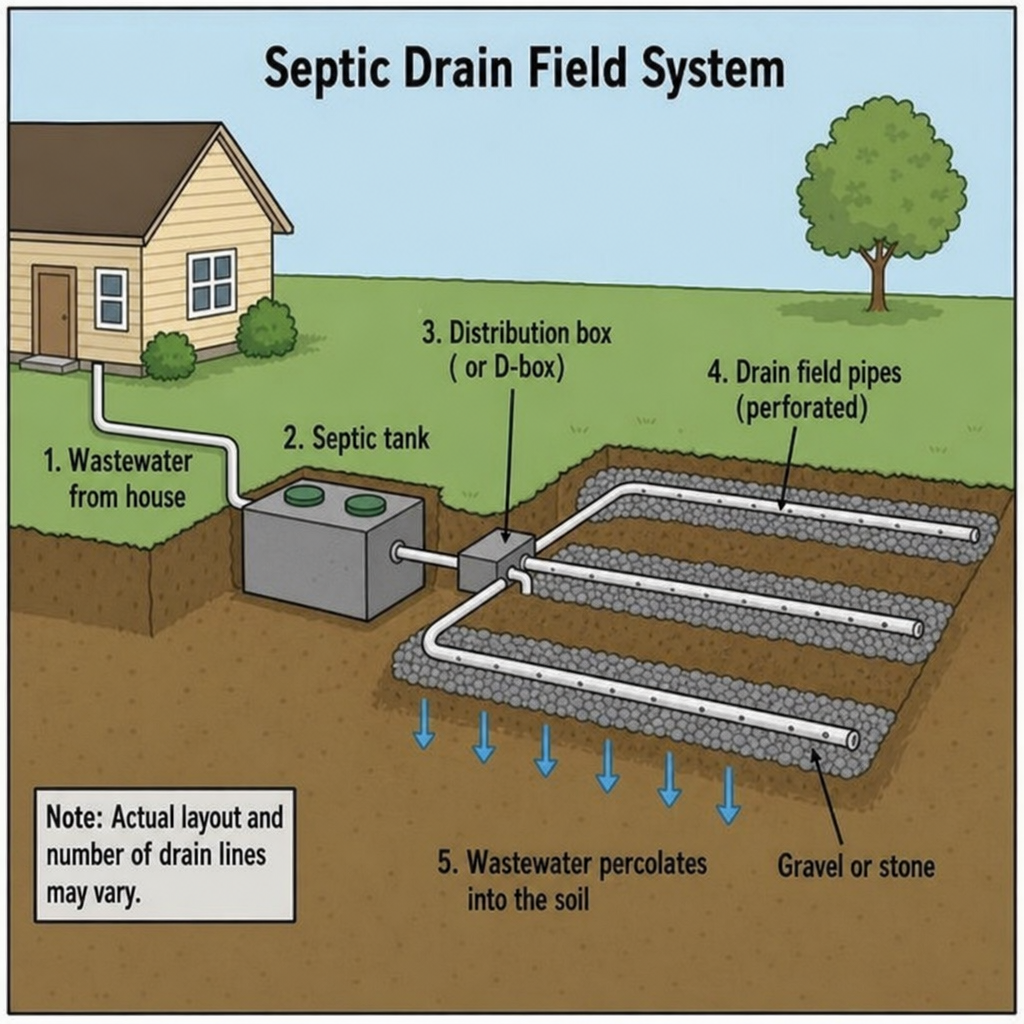
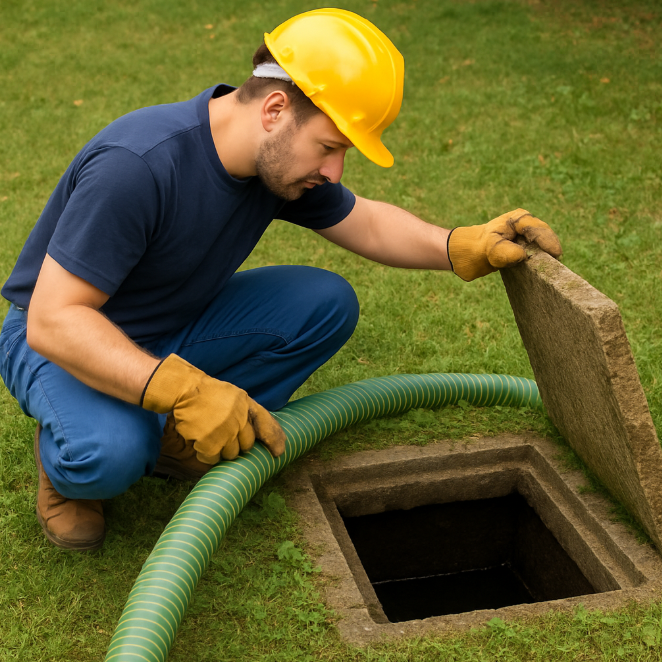
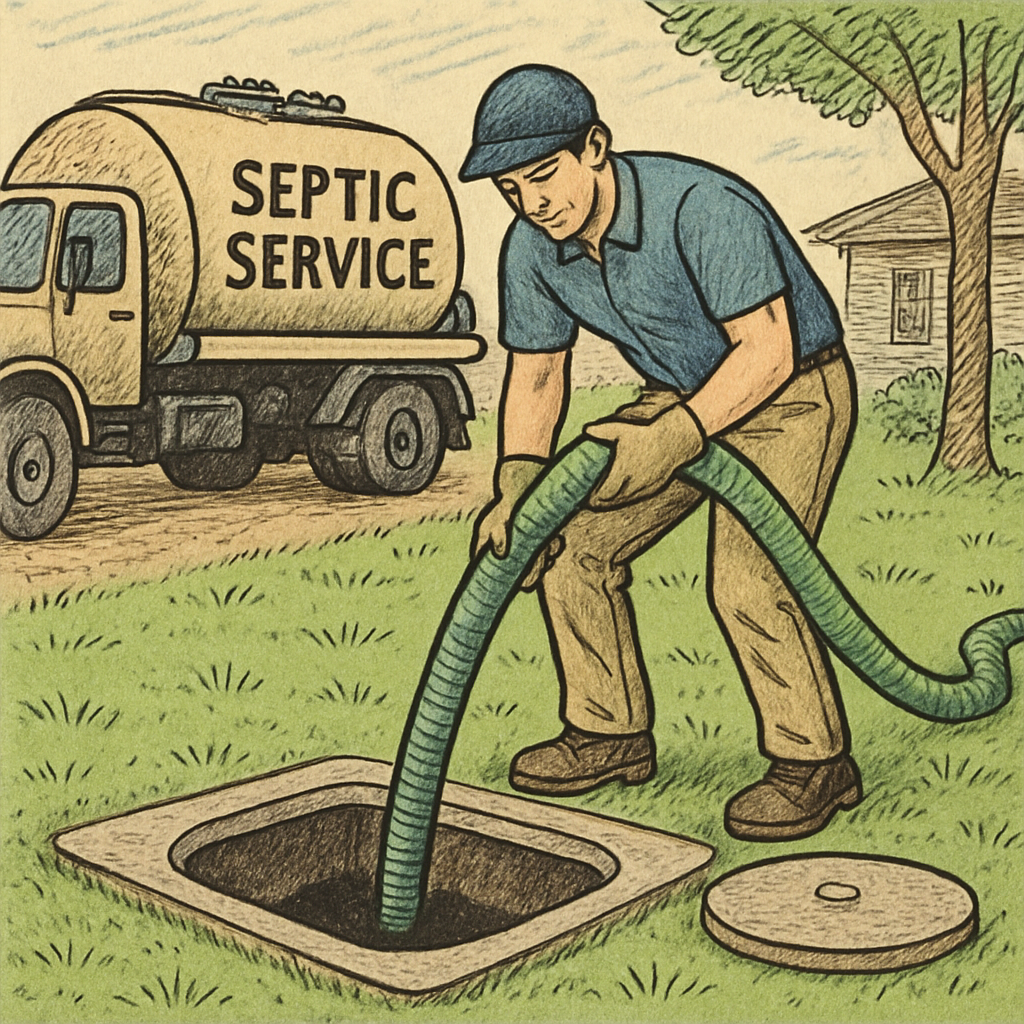
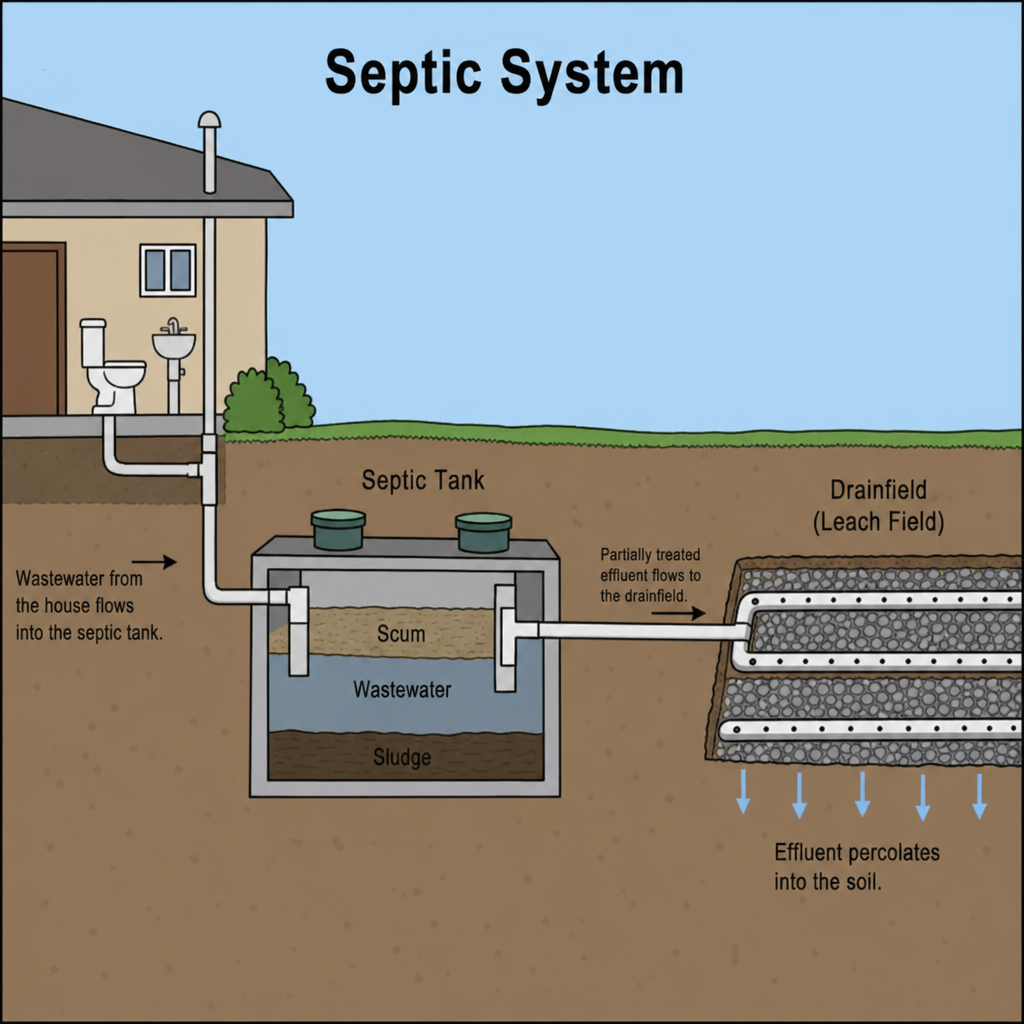
Every septic tank gradually fills with sludge and solid waste. If it is not pumped on schedule, those solids begin moving into the drain field, where they can clog the soil and underground pipes.
Once the drain field becomes damaged, repairs become much more expensive than routine maintenance would have been.
Regular maintenance is not simply recommended, it is the foundation of a healthy septic system.
How Missed Pumping Leads to Failure
A septic tank separates wastewater into three layers:
- Solid sludge settles at the bottom.
- Oils and grease float to the top.
- Liquid wastewater flows into the drain field.
As sludge accumulates, the tank has less room to separate waste properly.
Eventually:
- Solids escape into the drain field.
- Drainage slows down.
- Wastewater backs up.
- The drain field becomes clogged.
At this stage, homeowners often experience recurring problems that require professional repairs.
Skipping a Septic System Inspection
Many septic problems develop slowly without obvious warning signs.
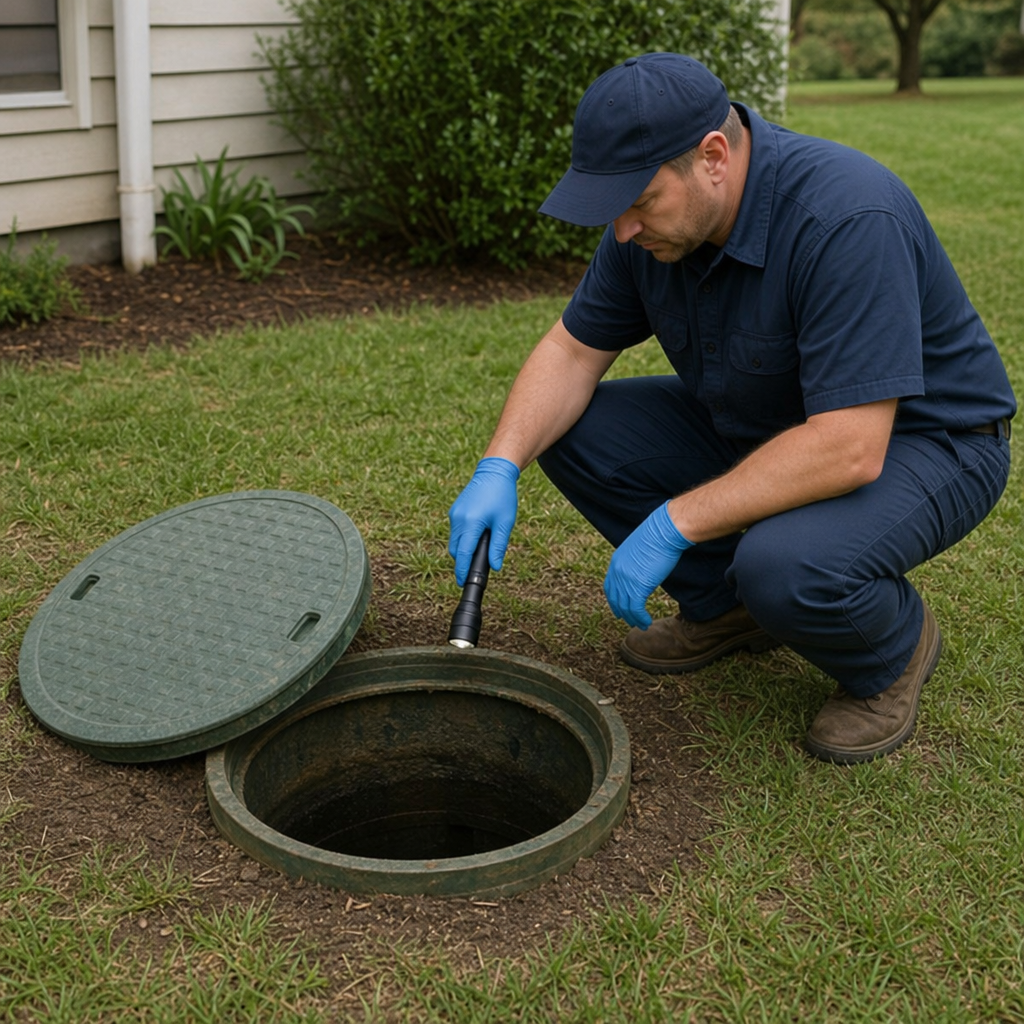
A routine septic system inspection allows professionals to identify issues before they become emergencies.
During an inspection, technicians may evaluate:
- Tank condition
- Sludge levels
- Baffles and internal components
- Distribution lines
- Drain field performance
- Signs of leaks or structural damage
Finding these issues early often prevents much larger repair bills later.
Excess Water Usage
Even a healthy septic system has limits. Using excessive amounts of water in a short period can overload the system before wastewater has time to process properly.
Examples include:
- Running multiple laundry loads back-to-back
- Long showers by several family members
- Excessive irrigation near the drain field
- Plumbing leaks that go unrepaired
Too much water entering the system reduces treatment efficiency and places unnecessary stress on the drain field.
Flushing the Wrong Materials
Your septic system is designed to handle human waste and toilet paper, not everything that disappears down the drain.
Items that frequently contribute to septic problems include:
- “Flushable” wipes
- Paper towels
- Feminine hygiene products
- Grease and cooking oils
- Coffee grounds
- Harsh chemicals
These materials do not break down properly inside the septic tank and often contribute to blockages and premature system failure.
Drain Field Damage
The drain field is responsible for filtering treated wastewater back into the soil.
Unfortunately, homeowners sometimes unknowingly damage this important part of the system.
Common causes include:
- Parking vehicles over the drain field
- Building sheds or patios above it
- Tree root intrusion
- Soil compaction
Once the drain field loses its ability to absorb wastewater, repairs become significantly more complicated.
Florida Weather Can Accelerate Problems
Florida’s rainy season creates additional challenges for septic systems.
Heavy rainfall can saturate the surrounding soil, making it difficult for wastewater to disperse properly.
This may result in:
- Standing water
- Sewage odors
- Slow drains
- Temporary backups
While weather alone may not cause failure, it often exposes underlying maintenance issues that already existed.
Warning Signs You Should Never Ignore
Septic systems usually provide early warning signs before complete failure occurs.
Watch for symptoms such as:
- Slow drains throughout the home
- Toilets that frequently back up
- Gurgling sounds in plumbing
- Wet areas near the drain field
- Persistent sewage odors
- Bright green patches of grass over the drain field
These symptoms often indicate your system needs immediate professional attention.
Ignoring them usually allows the damage to spread.
When Do You Need Emergency Septic Services?
Not every septic issue requires an emergency response, but some situations should never wait.
You should contact emergency septic services if you experience:
- Sewage backing into the home
- Overflowing septic tanks
- Standing wastewater around the property
- Complete drainage failure
- Strong sewage odors throughout the house
These situations present health risks and can quickly cause significant property damage if left untreated.
How Preventative Maintenance Saves Money
Many homeowners delay septic service because the system appears to be working normally.
However, routine maintenance is almost always less expensive than emergency repairs.
Preventative care helps:
- Extend the life of the septic tank.
- Protect the drain field.
- Reduce emergency repair costs.
- Improve wastewater efficiency.
- Catch small problems before they grow.
Scheduling regular pumping and inspections is one of the best investments homeowners can make.
Simple Habits That Reduce the Risk of Septic Failure
Keeping your septic system healthy does not require major changes.
A few smart habits can significantly reduce the chances of future problems.
Good septic care includes:
- Schedule regular septic pumping.
- Have periodic septic system inspections.
- Repair plumbing leaks promptly.
- Spread out heavy water usage.
- Keep grease, wipes, and chemicals out of drains.
These simple practices help protect every part of the septic system.
Why Professional Inspections Matter
Even homeowners who take excellent care of their systems cannot see what is happening underground.
Professional inspections provide valuable insight into:
- Tank condition
- Waste accumulation
- Drain field performance
- Potential structural damage
- Early signs of failure
Experienced technicians can often detect problems long before they become visible inside the home.
That proactive approach saves both time and money.
Trust Local Professionals Who Understand Florida Septic Systems
Florida septic systems face unique environmental challenges that require specialized knowledge.
Crews Septic Solutions has extensive experience serving homeowners throughout Fort Myers, Lehigh Acres, and surrounding Southwest Florida communities.
Their team provides:
- Septic pumping
- Septic system inspection
- Repairs
- Drain field services
- Installations
- Maintenance agreements
- Emergency septic services
Because they understand local soil conditions, groundwater levels, and weather-related challenges, they can recommend solutions that are tailored to Florida properties.
Final Thoughts
When homeowners ask, “What is the most common cause of septic system failure?”, the answer is usually preventable: neglected maintenance.
Skipping pumping appointments, delaying a septic system inspection, and ignoring early warning signs allow small problems to become expensive repairs. Combined with Florida’s challenging environmental conditions, poor maintenance dramatically increases the likelihood of septic system failure Florida homeowners hope to avoid.
The good news is that regular inspections, proper septic care, and timely service can keep your system operating efficiently for many years.
If your septic system has not been inspected recently, or if you are noticing slow drains, odors, or standing water, don’t wait for the problem to become an emergency.
Contact Crews Septic Solutions for professional septic inspections, pumping, repairs, maintenance, and emergency septic services throughout Southwest Florida. Call 239.694.1067 or email crewsseptic@yahoo.com to schedule your service today.